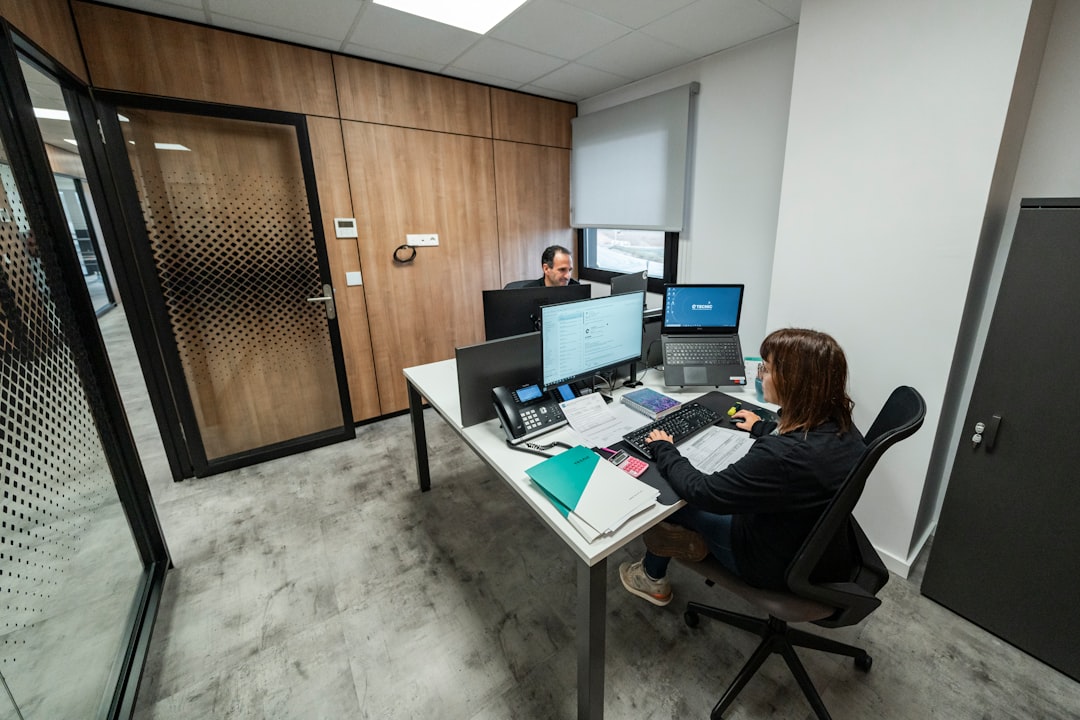
Imagine working in an office where you can barely hear yourself think. Now imagine the opposite—an office that sounds just right. That’s what good acoustic design can do. For tech companies, this isn’t just a small detail. It’s a smart, strategic move that affects everything from productivity to innovation.
TLDR:
Good sound design in tech offices helps employees focus, collaborate, and stay healthy. Poor acoustics lead to stress, errors, and less creativity. Thoughtful acoustic planning is a smart investment in company success. It’s not just for looks—it’s for brains and well-being too.
Why Sound Matters in a Tech Office
Tech companies rely on clear thinking, deep focus, and fast teamwork. Sounds like a recipe for silence, right? Not exactly. What they really need is the right kind of sound.
Too much noise = distraction.
Too little sound = awkward silence.
The sweet spot lies in the middle. That’s why acoustics matter. Especially in modern offices with open layouts, glass walls, and high ceilings. These look cool but bounce sound everywhere.
Employees Notice
People working in loud spaces struggle. They make more mistakes. They feel more stressed. And they need longer to do simple tasks.
According to some studies, worker productivity can drop by up to 66% in noisy environments. That’s a huge drop. Tech jobs often need intense concentration. Writing code. Debugging errors. Designing systems.
Ever tried writing a line of code while the person next to you is on a conference call?
Exactly. Not fun.
Acoustic Design Isn’t Just Carpets and Curtains
When people think of acoustics, they picture theaters or music studios. But it applies to office spaces too. Especially ones filled with meetings, keyboards, and video calls all happening at once.
Here’s what acoustic design can include:
- Acoustic panels (on walls or ceilings)
- Sound masking systems (like gentle background noise that helps concentration)
- Furniture design (yes, couches, booths, and shelving can absorb sound!)
- Layout planning (separating quiet zones from noisy zones)
It’s like giving the workspace a pair of noise-canceling headphones.
It Boosts Collaboration
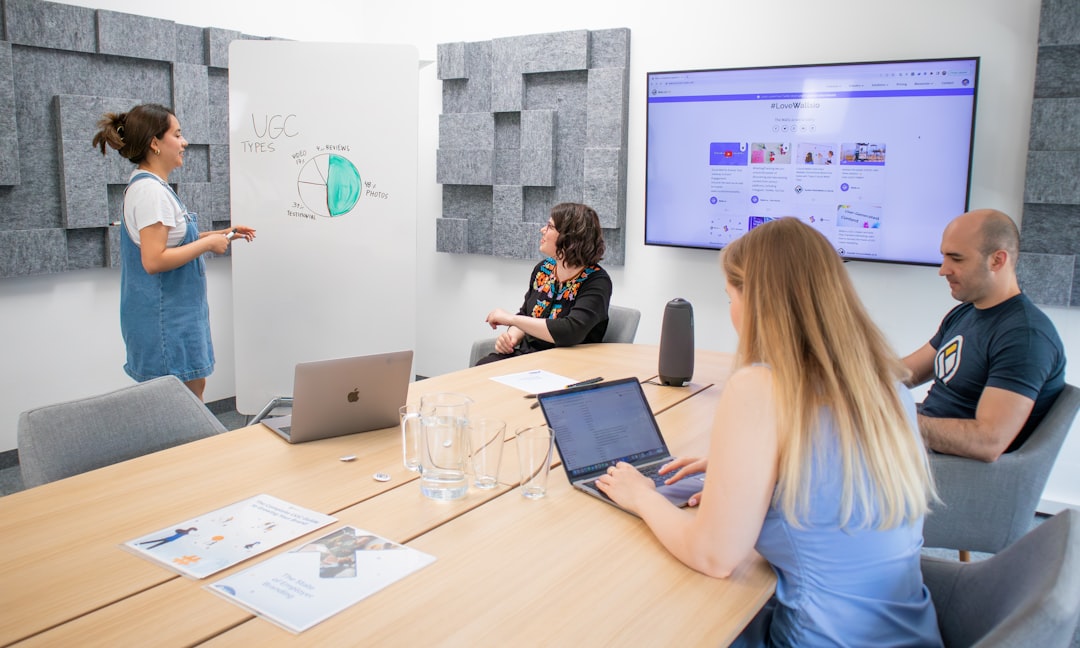
Great tech ideas often come from collaboration. But people need places where they can talk freely and think quietly.
With thoughtful acoustic zones, teams can brainstorm without disturbing others. And developers can disappear into deep work mode with zero interruptions. That balance helps innovative thinking bloom.
Recruitment and Retention Tool
Guess what’s a big part of attracting top tech talent? A solid, comfortable work environment.
Good acoustics may not be the thing people put on their job wishlists, but they feel it. When your office sounds better, people want to stay longer and do better work. That’s a win-win for everyone.
Remote and Hybrid Teams Still Need It
Even if half your staff is remote, your main office still matters. Why? Because those in-office teams are often on video calls. If the room they’re in is echoey or noisy, it affects the entire remote team.
Poor sounds = awkward meetings = wasted time.
Treating a conference room for acoustics helps both ends of the Zoom call. Everyone hears better. Everyone works better.
Health and Well-being Matter Too
Noise isn’t just annoying. It’s unhealthy. Ulterior stress, headaches, and even burnout can happen in loud offices.
Good acoustics = calmer minds.
It’s easier to focus, breathe deeply, and enjoy the space. If you’re serious about employee well-being, then sound design should be on your radar.
Image not found in postmetaIt’s a Tech-Friendly Solution for a Tech-Heavy Workplace
Tech workplaces come with unique audio challenges:
- Multiple screens and devices
- Frequent video conferencing
- AI assistants that listen and talk
- Collaborative zones mixed with focused work zones
Not every design firm can handle this complexity. That’s why tech companies benefit from acoustic consultants who understand these specific needs.
Simple Acoustic Strategies That Make a Difference
You don’t need to knock down walls or spend millions. Here are a few simple things that help:
- Carpets or rugs in key areas to reduce echo
- Soft furniture like sofas and cushioned chairs
- Private pods or phone booths for calls
- Ceiling clouds–sound-absorbing panels that hang above desks
- Bookshelves and partitions that dim noise naturally
Smart companies treat these as part of the design—not an afterthought.
Companies Doing It Right
Leading tech firms like Google, Apple, and Microsoft are already investing in sound strategy. They use acoustic zoning, wall treatments, and dynamic office layouts that adapt to needs.
Why? Because they know voices bounce, minds wander, and that acoustic comfort = better performance.
The ROI Is Real
You’re not just spending money on walls and panels. You’re investing in:
- More productive hours per week
- Fewer mistakes from distracted workers
- Lower churn rates and better employee satisfaction
- Healthier and happier teams
The return on investment isn’t fluffy. It’s measurable. And strategic acoustic planning pays off month after month.
Final Thoughts: Sound is Strategy
Most tech companies wouldn’t build software without planning the user interface first. So why build an office without considering what it sounds like?
Acoustic design is more than decoration.
It shapes how your team works, feels, and collaborates every day. That makes it a strategic decision, not just a design detail.
Make every sound in your office count. Your team—and your bottom line—will thank you.