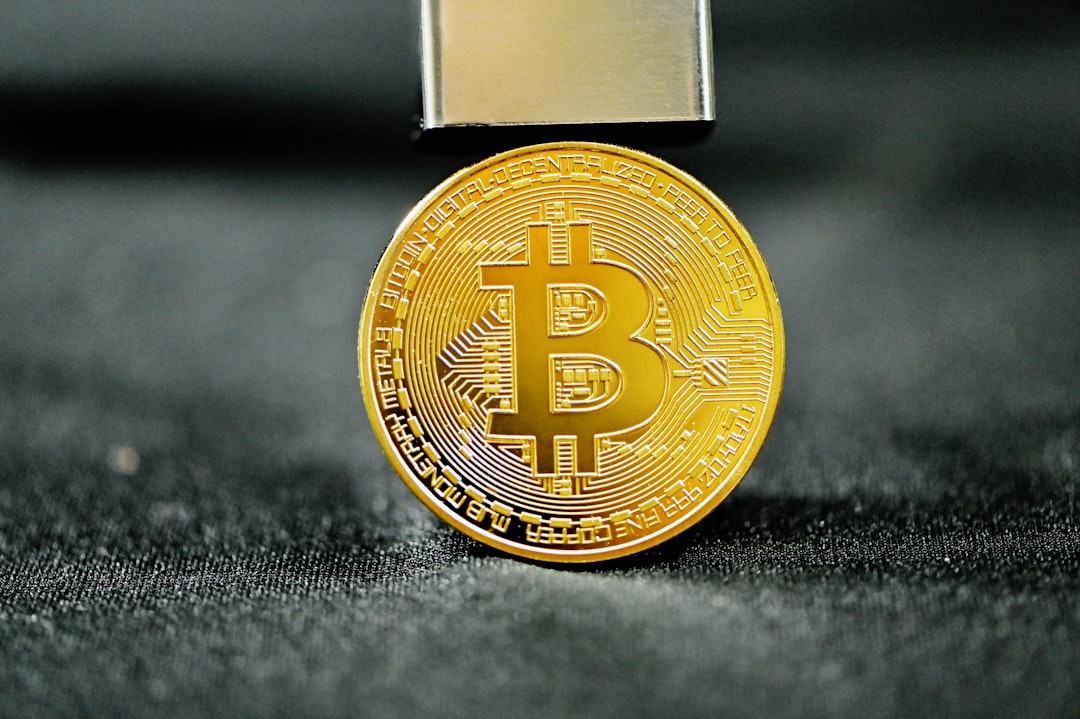
Imagine sending a letter. What would happen if you wrote the wrong address on the envelope? The letter would end up in the wrong place or get lost forever. That’s exactly how it works with crypto. Your crypto wallet address is like your digital home. It’s where your crypto funds come in and go out. Get it wrong, and poof! Your money could disappear into the blockchain jungle.
Don’t worry. Learning about your crypto wallet address doesn’t have to be boring. In fact, it can be pretty fun once you break it down. Let’s take a joyride through the colorful world of crypto wallet addresses!
What Is a Crypto Wallet Address?
A crypto wallet address is a long string of letters and numbers. Think of it as your bank account number on the blockchain.
Here’s what it looks like:
1A1zP1eP5QGefi2DMPTfTL5SLmv7DivfNa
Don’t be scared! It’s not some secret code. It just identifies where crypto needs to go.
Each wallet gets a unique address. No two are the same. And depending on the type of crypto you use (like Bitcoin or Ethereum), you’ll have different addresses for each.
Why Is It So Important?
If you’re diving into crypto, this little string is your best friend. Here’s why your wallet address matters so much:
- It’s how people send you money. Want to get paid in crypto? You give them your wallet address. Boom.
- It directs your crypto traffic. If you send funds, you’ll need the right destination address. One mistyped letter can send your funds to the abyss.
- It keeps your assets safe. No need to share your personal info—just this quirky string of code.
Your crypto wallet address is the key to accessing and managing your funds. Treat it like your email for crypto—but far more secure and anonymous.
How Do You Get One?
Easy! When you create a crypto wallet—using an app or hardware—you automatically receive an address. Actually, most wallets can create new addresses whenever you want. That’s handy if you want to keep things private.
You can choose from different types of wallets:
- Software wallets: Mobile and desktop apps like MetaMask or Trust Wallet
- Hardware wallets: Physical devices like Ledger or Trezor
- Web wallets: Online services, but be careful—some are less secure
Each type of wallet can generate wallet addresses for you. You copy it, share it with someone who wants to send you money, and boom—you’re in business!
Breaking Down the Address
Let’s decode these weird-looking addresses a bit. Here’s what you might see:
- Bitcoin addresses often begin with a
1or a3, or evenbc1for newer formats - Ethereum addresses always begin with
0x - Other cryptos have their own unique styles
It’s like different countries with unique postal codes. By knowing what your address looks like, you can avoid confusion and make sure funds go to the right place.
Sending Funds to Someone Else
Picture this: your friend wants to split your pizza bill in Ethereum. They ask for your address. What do you do?
- Open your wallet app.
- Click “Receive.”
- Copy the wallet address that appears.
- Send it to your friend.
The same goes for sending money. If you want to send crypto, they share their wallet address, and you paste it in the “Send” area of your app. Easy-peasy.
But danger alert! Double-check the address you paste. Don’t type it out yourself. One little typo and your funds could go to a stranger. And in crypto, there’s no “undo.”
How to Stay Safe with Your Address
Your crypto wallet address is safe to share. It’s not secret. But you still want to stay cautious.
Here are some tips to stay safe:
- Never modify your address manually. Copy and paste only!
- Check the full address. Scammers can fake part of an address to fool you.
- Use QR codes. They eliminate copy-paste errors when sending crypto.
- Double-check with a small amount first. Send a tiny test payment before transferring big funds.
Your crypto wallet is only as safe as how you use it. Take your time and don’t rush.
Can You Have More Than One Wallet Address?
Yes! In fact, it’s common. Different reasons, too:
- Different cryptos: You might have one address for Bitcoin, another for Ethereum, and more for other coins.
- Privacy: Some people use a new address for each transaction to stay anonymous.
- Security: Using different addresses can help track different expenses or accounts.
It’s totally okay—and sometimes smart—to have many addresses. Just keep track of them!
Common Mistakes to Avoid
Everyone makes mistakes. But with crypto, it’s better to learn from others before making them yourself.
Watch out for these errors:
- Sending crypto to the wrong type of address. Don’t send Bitcoin to an Ethereum address. It’s like mailing a sandwich to a zip code that only handles salads. It doesn’t work.
- Copy-paste fails. Always double-check the pasted address. Some malware can alter it secretly.
- Not verifying the address source. If you’re copying from a message or email, make sure it’s trusted.
Making Crypto Fun and Friendly
Wallet addresses sound complicated at first. But once you get the hang of them, they’re no big deal.
Here’s a quick way to remember their role:
- Your crypto address is where your digital money lives.
- It lets others send you crypto.
- You use others’ addresses to send them crypto.
It’s that simple! Like sending and receiving mail—but cooler and faster. And with fewer stamps.
Wrapping It Up
Understanding your crypto wallet address is key to staying safe and confident in the world of digital currency.
Here’s what to take away:
- Your wallet address is safe to share but risky to mistype.
- Always double-check before you send.
- Use secure wallets and stay aware of scams.
Now that you understand wallet addresses, you’re no longer a beginner. You’re a crypto explorer! Keep learning, stay curious, and enjoy your journey into the blockchain universe.