
For fast-growing, data-driven startups, translating analytics into business actions is more than a trend—it’s a necessity. Reverse-ETL tools are at the heart of that movement, enabling teams to take data from warehouses like Snowflake or BigQuery and push it directly into their CRMs, customer support platforms, and advertising tools for real-time decision-making. But for lean startups, choosing lightweight, minimal-maintenance tools is crucial to stay nimble and cost-efficient.
TLDR
Reverse-ETL tools allow startups to sync analytics data from their warehouse into tools like Salesforce, HubSpot, and ad platforms to power better decision-making and automation. While big tools with heavy features exist, many startups prefer leaner options that offer fast setup, simplicity, and low overhead. This article highlights 7 minimal and powerful reverse-ETL solutions perfect for resource-conscious, data-savvy teams. If your goal is to keep operations streamlined while still accessing rich customer insights in your business tools—these are the tools to consider.
1. Hightouch
Best for: Teams looking for fast, code-free syncs from data warehouses to CRMs, with excellent user experience.
Hightouch stands out for its powerful interface and ease of use. Originally created to help teams move data from the warehouse to Salesforce and other customer engagement tools, it’s arguably the most mature among lightweight reverse-ETL platforms. Hightouch connects to virtually every major data warehouse, from BigQuery and Redshift to Snowflake, and enables non-technical stakeholders to set up syncs without SQL or Python.
- Visual editor for non-technical teams
- Supports custom scheduling and change data capture (CDC)
- 100+ pre-built integrations

2. Census
Best for: Teams already using dbt (data build tool) and interested in syncing cleaned and modeled data.
Census takes a “model-first” approach, making it a favorite among modern data teams already committed to data quality. It works especially well in dbt-native environments where models are already your single source of truth. Census creates reliable pipelines that push cleaned and version-controlled data into business tools like HubSpot, Marketo, Google Ads, and more.
- Strong dbt and version control integration
- Granular monitoring and observability
- Advanced mapping and transformation capabilities
3. Omnata
Best for: Simplicity-first Google Sheets syncing and small marketing-driven teams.
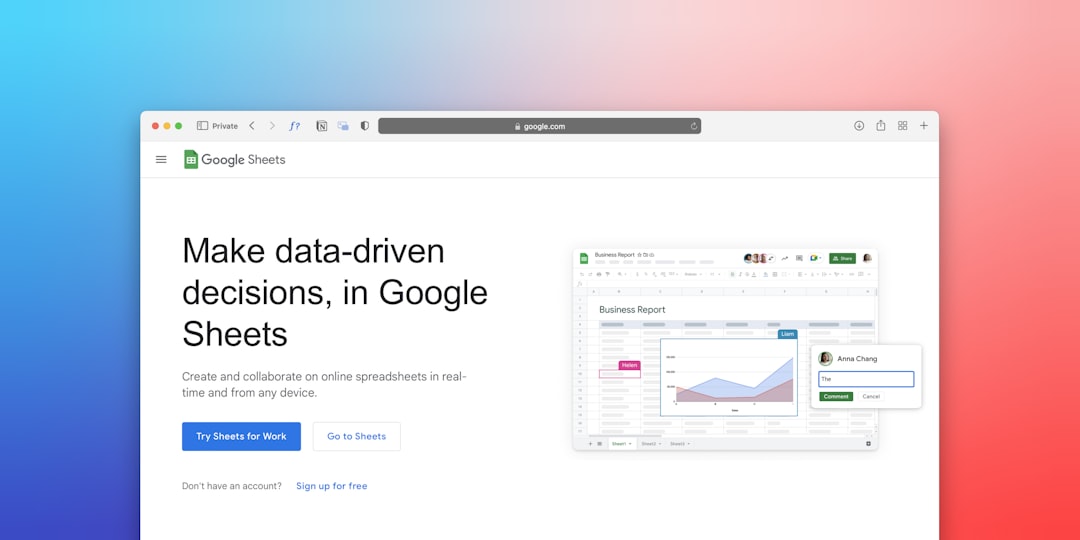
Not all startups need hundreds of integrations. Omnata excels by doing one thing incredibly well: syncing warehouse data into Google Sheets and Airtable. If you’re managing ad budgets or lead lists in sheets but want to keep them tied to real-time analytics data, this minimal tool is all you need. It’s perfect for lean marketers and founders who rely on spreadsheets as a BI layer.
- One-minute setup with intuitive UI
- No-code approach with scheduling support
- Compatible with analytics platforms like Looker Studio
4. SeekWell (now part of ThoughtSpot)
Best for: Teams that want SQL-powered syncs into business apps and spreadsheets.
SeekWell allows you to run SQL queries in your data warehouse and send the results directly to tools like Salesforce, Slack, and Google Sheets on a recurring schedule. Because it has a SQL-first approach, it’s very appealing to analytics engineers or SQL-savvy marketers. Its integration into ThoughtSpot has added even more capabilities around automation and data intelligence.
- SQL-powered workflows without heavy setup
- Email/slack scheduling for alerts and insights
- Small learning curve for data analysts
5. Grouparoo (Open-source)
Best for: Startups that want self-hosting and open-source control.
Many startups love freedom and flexibility, and Grouparoo offers both. It’s open-source, allowing teams to own the infrastructure and customize integrations. While it requires more technical setup compared to SaaS offerings, it appeals to teams that care deeply about security or maintaining budget control. Grouparoo syncs can be event-driven or scheduled and work well with Snowflake, Postgres, and CRMs.
- Self-hosted with optional cloud-hosting version
- Easy to configure data syncs with configuration files
- Strong developer documentation and active community
6. DataChannel
Best for: Lean agencies and startups needing seamless ad platform syncing.
DataChannel is a lightweight reverse-ETL tool with a strong focus on syncing data with ad platforms like Facebook Ads, Google Ads, and LinkedIn. For customer acquisition and campaign optimization, this is a dream solution. It also provides ETL flows, making it useful across multiple stages in the data journey.
- End-to-end control for ad campaign data flows
- Custom connectors available via request
- Minimal setup with reporting capabilities
7. Hevo Activate
Best for: Startups already invested in the Hevo pipeline ecosystem.
If you’re using Hevo for data ingestion, their reverse-ETL product (Hevo Activate) offers easy warehouse-to-destination syncing at no additional setup cost. It is built to work harmoniously with Hevo’s core ETL offering and brings value to startups who are trying not to juggle multiple vendors.
- Unified data pipeline environment
- Prebuilt destination connectors
- Affordable for pipeline-heavy use cases

What Makes a Reverse-ETL Tool “Minimal”?
In the context of data-savvy startups, a minimal reverse-ETL tool is:
- Lightweight to deploy: No month-long onboarding or configuration phase
- Simple interface: UI-oriented for marketers, sales ops, or non-technical founders
- Focused functionality: Does one or two things very well instead of trying to be a full-stack data platform
These tools are not about being underpowered—they’re about doing more with less, faster.
Key Considerations When Selecting a Reverse-ETL Tool
Choosing the right tool depends on your stack and business workflows. Teams should ask:
- Which tools do we need to sync with most often (Salesforce, Meta Ads, HubSpot)?
- Do we want a no-code setup or are we comfortable with SQL?
- Who will own the sync process: data team, marketing, or sales operations?
- Is pricing aligned with our projected growth or will we hit usage walls quickly?
Conclusion
Reverse-ETL is the bridge between analytical insight and business action. For data-savvy startups that prioritize lean operations and fast execution, selecting a minimal yet powerful reverse-ETL tool can be a force multiplier. Whether it’s Hightouch’s user experience, Grouparoo’s open-source control, or Omnata’s spreadsheet simplicity, the right solution can make your operational data as impactful as your dashboards.
FAQ
-
What is reverse-ETL?
Reverse-ETL is the process of moving data from your data warehouse back into operational tools like CRMs, support platforms, and advertising systems. -
Is reverse-ETL the same as ETL?
No. While ETL (extract, transform, load) brings data into the warehouse, reverse-ETL does the opposite—it operationalizes data by sending it back into tools that teams use daily. -
Why do startups need reverse-ETL?
Startups use reverse-ETL to automate workflows, personalize experiences, and act on data insights directly in tools like Salesforce or Facebook Ads, without having to manually export spreadsheets. -
Can non-developers use reverse-ETL tools?
Yes. Many tools like Hightouch and Omnata are built for non-technical users and come with visual interfaces to configure syncs easily. - Are open-source options reliable?