Artificial intelligence is no longer a futuristic add-on in social media—it is the engine driving what users see, how they engage, and how brands connect with them. From content discovery algorithms to generative media tools and intelligent chat experiences, AI is reshaping every layer of the social ecosystem. For marketers, this transformation brings extraordinary opportunity alongside new complexity and responsibility.
TLDR: AI is redefining social media through smarter algorithms, generative content tools, predictive analytics, and automated customer engagement. Marketers can now personalize at scale, create faster, and measure more precisely than ever before. However, increased automation also brings new challenges in authenticity, ethics, and competition. Success will depend on balancing human creativity with AI-driven efficiency.
Below are the key AI trends shaping social media and what they mean for marketers navigating this fast-changing landscape.
1. Hyper-Personalized Content Feeds
Modern social media platforms are fueled by advanced machine learning models that analyze user behavior in astonishing detail. Every click, pause, swipe, like, share, and comment becomes data feeding algorithms designed to predict what users want to see next.
Short-form video platforms pioneered this system, but today nearly every social network relies heavily on predictive AI to curate personalized feeds.
What this means for marketers:
- Content must be tailored and niche: Broad messaging struggles in algorithm-driven environments.
- Engagement quality matters more than reach: Saves, shares, and meaningful interactions outweigh vanity metrics.
- Testing is continuous: AI rewards content that performs quickly, making rapid experimentation crucial.
Instead of targeting a generic audience segment, successful brands now create multiple versions of content tailored to micro-communities. AI-driven feeds act like individualized channels for every user—which means marketers must think modularly and dynamically.

2. Generative AI Content Creation
Generative AI tools are transforming how social content is produced. From AI-written captions and scripts to automatically generated images and video clips, brands can now create content faster than ever before.
These tools help with:
- Caption drafting and hashtag optimization
- Short-form video scripting
- Automated image generation
- Repurposing long-form content into social snippets
- Voiceovers and synthetic presenters
For marketing teams under constant pressure to deliver fresh content, generative AI reduces production time and cost. However, it also lowers the barrier to entry—meaning everyone can produce high volumes of content.
The implication: Volume alone is no longer a competitive advantage. Creativity, brand voice consistency, and strategic distribution matter more than ever.
Marketers should use generative AI as a co-creator, not a replacement for human insight. The most compelling campaigns combine AI efficiency with strong storytelling rooted in genuine brand identity.
3. AI-Powered Social Listening and Predictive Insights
Social listening tools have evolved far beyond tracking mentions. AI now enables:
- Sentiment analysis across massive data sets
- Trend prediction before topics peak
- Real-time brand reputation alerts
- Competitive benchmarking powered by machine learning
Predictive analytics is becoming especially valuable. AI systems can detect emerging conversations and forecast which discussions are likely to grow.
This allows marketers to:
- Join trends early
- Anticipate audience concerns
- Detect shifts in brand perception quickly
- Create proactive campaigns rather than reactive ones
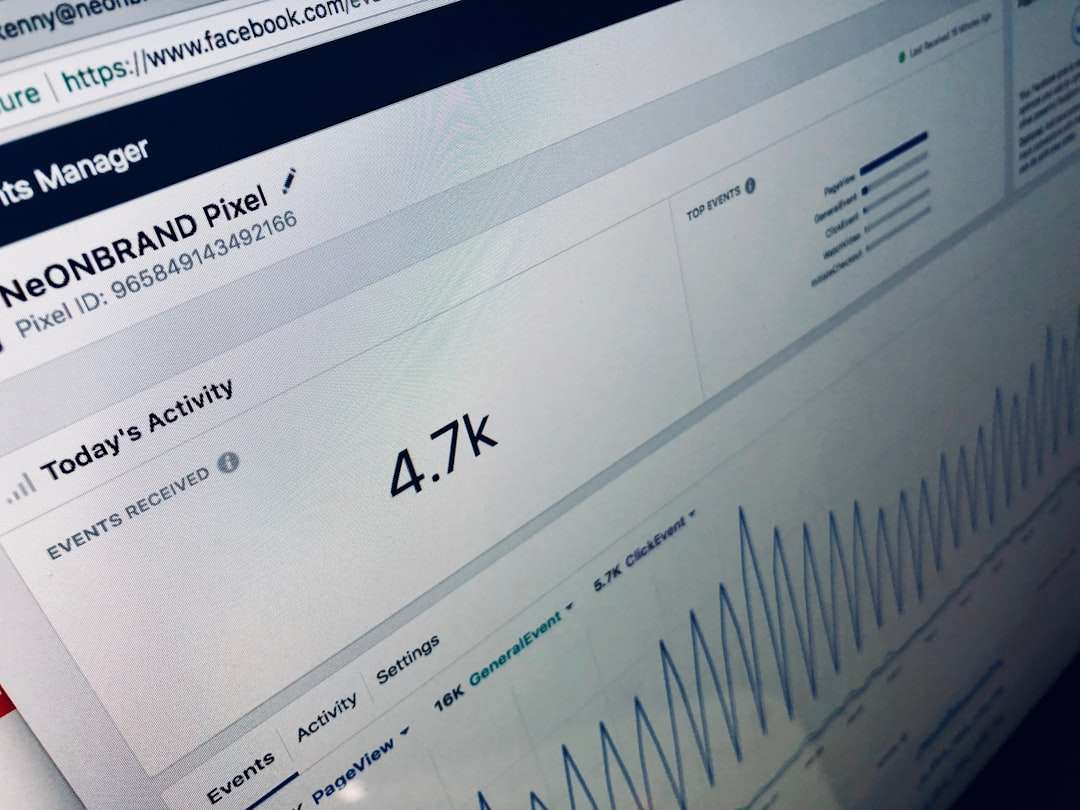
The brands that win in this environment are not just responsive—they’re anticipatory. AI enables strategy informed by data at a scale humans could never manually analyze.
4. Conversational AI and Automated Engagement
Chatbots and AI-powered direct messaging tools have become more sophisticated, offering near-human conversational abilities. Social platforms increasingly support automated responses for:
- Customer service inquiries
- Product recommendations
- Lead qualification
- Appointment scheduling
- FAQ handling
What was once clunky and formulaic is now context-aware and personalized.
Impact on marketing:
- 24/7 engagement at scale
- Shorter sales cycles
- Improved customer experience
- Higher conversion in social commerce
However, the human touch still matters. Automated systems should be designed to hand off seamlessly to live representatives when needed. Brands that overly automate risk appearing detached or transactional.
5. AI and Social Commerce
AI is accelerating the integration of shopping directly within social platforms. Recommendation engines analyze browsing habits, engagement patterns, and previous purchases to suggest products in-feed.
Dynamic product ads automatically adjust messaging and visuals based on user behavior. Some platforms even utilize computer vision to identify products in images and connect users to purchase pages instantly.

This means:
- Fewer clicks between discovery and conversion
- Increased impulse purchasing
- Greater demand for optimized product catalogs
For marketers, optimizing for AI recommendation systems becomes critical. High-quality product data, accurate tagging, and user-generated content all feed into how effectively AI connects products to the right buyers.
6. AI-Generated Influencers and Virtual Personalities
Virtual influencers—entirely AI-generated personalities—are gaining traction. These digital creators can post consistently, embody curated brand values, and avoid many of the unpredictability issues associated with human influencers.
While still niche compared to traditional influencer marketing, AI personas offer brands:
- Total creative control
- Scalability across regions
- Data-informed content optimization
At the same time, consumers increasingly value authenticity. Many users are aware when they are interacting with synthetic personalities, raising questions around transparency and connection.
Marketers should approach AI influencers carefully, ensuring clear disclosure while using them strategically where novelty and innovation align with brand identity.
7. Deepfake Risks and Content Authenticity
As generative AI improves, so does the ability to manipulate images, audio, and video. Deepfakes have introduced both creative possibilities and significant ethical concerns.
Social platforms are investing in AI tools designed to detect manipulated content, but brands must also protect themselves proactively.
Key considerations:
- Brand safety monitoring
- Transparent AI usage policies
- Clear labeling of synthetic content
Trust is becoming a competitive differentiator. In a world saturated with AI-generated media, brands that emphasize authenticity and transparency may stand out more than those chasing novelty alone.
8. Smarter Ad Targeting and Budget Optimization
AI-driven advertising platforms now automate much of what media buyers once handled manually. Campaign objectives, audience expansion, budget allocation, and creative rotation are increasingly managed by algorithms.
Advanced AI systems analyze thousands of data signals to:
- Optimize bids in real time
- Identify high-converting audience subsets
- Adjust budgets dynamically
- Predict performance shifts
For marketers, this means shifting from manual optimization toward strategic oversight and creative leadership. Understanding how algorithms evaluate performance becomes as important as traditional marketing intuition.
The skill set is evolving from tactical configuration to AI fluency—knowing how to guide, test, and refine automated systems for maximum impact.
9. The Rise of AI-Enhanced Creative Testing
A/B testing has expanded into multivariate AI-led experimentation. Platforms can now automatically test dozens of variations in messaging, images, headlines, and calls-to-action simultaneously.
This creates:
- Faster performance insights
- Reduced guesswork
- Higher confidence in creative decisions
In many cases, AI can even suggest modifications likely to improve click-through or engagement rates—turning optimization into an ongoing automated loop.
Marketers who embrace experimentation and agile iteration are far more likely to benefit from these capabilities than those who rely solely on intuition.
What Marketers Must Do Now
AI’s expanding influence on social media is not a temporary shift—it is structural and permanent. To stay competitive, marketers should:
- Invest in AI literacy: Understand how recommendation systems and predictive models operate.
- Adopt AI tools strategically: Choose tools that enhance workflows rather than overwhelm teams.
- Prioritize authenticity: Balance automation with genuine brand storytelling.
- Establish ethical guidelines: Clearly define how AI content is used and disclosed.
- Continue human-centered creativity: Innovation still depends on emotional intelligence.
The future of social media marketing belongs to hybrid teams—where humans and intelligent systems collaborate seamlessly.
Final Thoughts
AI is not just shaping social media—it is redefining its very architecture. Algorithms determine visibility. Generative models accelerate creation. Predictive systems inform strategy. Conversational bots convert conversations into commerce.
Yet amid all this automation, the fundamental principles of marketing remain constant: understanding audiences, delivering value, and building trust.
The marketers who thrive in this new era will not simply adopt AI—they will orchestrate it. By pairing data-driven precision with authentic storytelling and ethical responsibility, brands can harness AI as both a growth engine and a creative partner in the ever-evolving world of social media.