In an age where video content dominates communication, entertainment, education, and historical documentation, preserving digital video has become a defining challenge of the modern era. From independent filmmakers to multinational corporations, institutions face the growing responsibility of ensuring that valuable footage remains accessible, authentic, and usable for decades to come. Dougahozonn represents an evolving framework and philosophy around digital video preservation—one that blends technology, strategy, and long-term vision.
TLDR: Dougahozonn refers to a modern, structured approach to preserving digital video content for long-term accessibility and integrity. It combines cloud storage, metadata management, format migration, and redundancy practices. As video formats and storage technologies evolve rapidly, proactive preservation strategies are essential. Institutions and creators who ignore preservation risk losing cultural, historical, and financial value.
Digital preservation is no longer optional. Unlike traditional film reels that degrade physically but can be visually inspected, digital video files can become inaccessible instantly due to format obsolescence, corrupted storage, or outdated playback systems. Dougahozonn emphasizes forward-looking planning, regular audits, and technological adaptation to avoid these risks.
The Importance of Digital Video Preservation
Digital video exists in a fragile ecosystem. Its longevity depends entirely on hardware compatibility, software support, storage stability, and data integrity. The Dougahozonn model highlights three core preservation principles:
- Redundancy: Maintaining multiple copies across geographic locations.
- Migration: Updating file formats and storage systems over time.
- Metadata Integrity: Ensuring videos remain searchable and contextualized.
Without these principles, even recently produced content can disappear. Universities have already reported cases where archived lecture videos from the early 2000s became inaccessible due to obsolete codecs. Production studios face similar threats when proprietary editing formats are abandoned.
Image not found in postmetaDougahozonn addresses these vulnerabilities through structured lifecycle management, treating video assets not as static files but as living digital entities requiring continuous care.
Key Components of the Dougahozonn Framework
1. Format Standardization
One of the primary risks in digital preservation is format obsolescence. Video codecs evolve quickly, often leaving older formats unsupported. Dougahozonn recommends:
- Using widely adopted, non-proprietary formats where possible.
- Maintaining high-quality master files separate from distribution copies.
- Conducting scheduled format reviews every 3–5 years.
For example, institutions often store archival masters in lossless or minimally compressed formats while distributing compressed versions for public access.
2. Multi-Tier Storage Architecture
A single storage solution is insufficient for long-term preservation. Dougahozonn outlines a multi-tier approach:
- Primary Storage: High-speed access systems for active projects.
- Secondary Storage: Cost-effective nearline storage.
- Cold Storage or Offsite Backup: Long-term archival systems.
This layered structure balances cost with accessibility and protects against catastrophic failure.
3. Metadata and Cataloging
Video files without metadata are nearly impossible to manage at scale. Dougahozonn places heavy emphasis on structured tagging, including:
- Descriptive metadata (title, creator, events)
- Technical metadata (codec, bitrate, resolution)
- Rights management information
Proper metadata ensures that preserved content remains discoverable and legally compliant.
Challenges in the Modern Preservation Landscape
While storage costs have dropped significantly, the volume of video produced has increased exponentially. Social media, live streaming, surveillance systems, and user-generated platforms generate petabytes of video daily. The Dougahozonn framework recognizes this scale challenge and encourages selective preservation strategies.
Not every piece of content requires permanent storage. Preservation policies must define:
- Retention duration
- Archival value
- Legal requirements
- Historical or cultural relevance
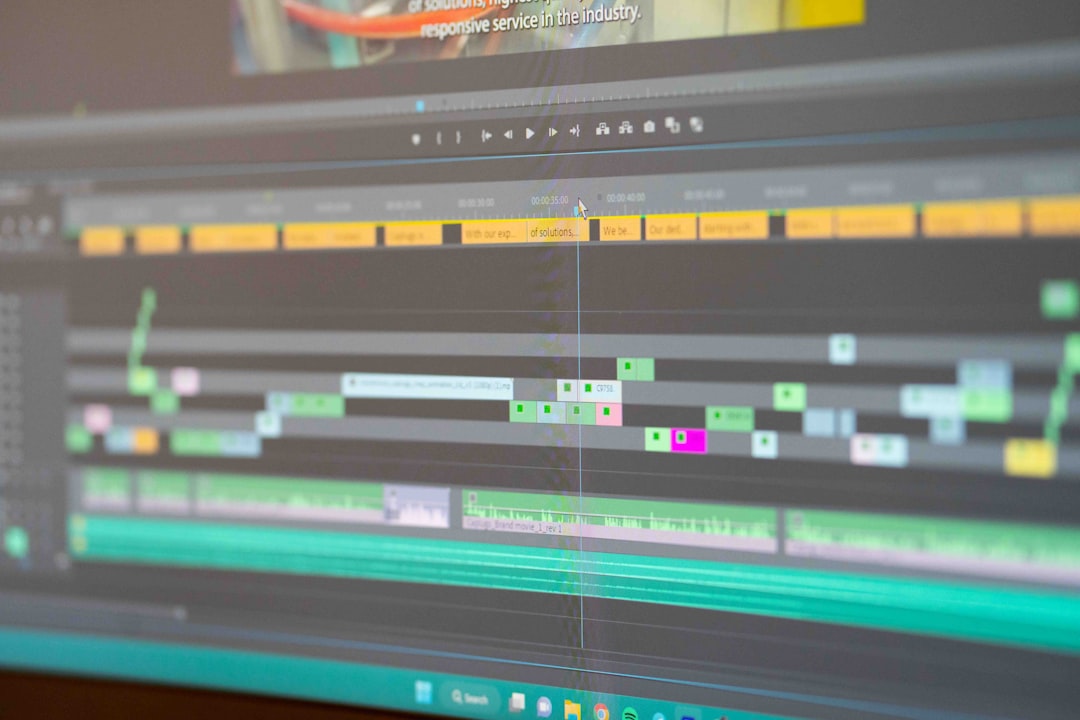
Another major issue is bit rot—the gradual corruption of digital data over time. Even stable storage systems can suffer silent corruption. Regular checksum validation and automated integrity checks form a core element of Dougahozonn methodology.
The Role of Cloud Technology
Cloud platforms have transformed digital preservation. Dougahozonn integrates cloud solutions as part of a hybrid infrastructure. Benefits include:
- Geographic redundancy
- Scalable storage capacity
- Managed infrastructure maintenance
However, cloud preservation is not without risks. Vendor lock-in, pricing changes, and service discontinuations pose real threats. Dougahozonn strategies mitigate these risks by maintaining export-ready formats and documenting workflows thoroughly.
Comparison of Common Preservation Tools
When implementing a Dougahozonn-based preservation strategy, organizations may rely on various digital asset management (DAM) and archival systems. The table below compares several commonly used solutions.
| Tool | Best For | Strengths | Limitations |
|---|---|---|---|
| Archivematica | Cultural institutions | Open source, standards compliant, strong metadata tools | Requires technical expertise |
| AWS Glacier | Long term cloud storage | Cost effective cold storage, scalable | Retrieval delays and fees |
| Preservica | Enterprise archives | User friendly, automated preservation workflows | Subscription cost |
| Backblaze B2 | Independent creators | Affordable cloud storage, easy integration | Limited built in preservation automation |
Each platform can align with Dougahozonn principles when integrated thoughtfully into a broader archival strategy.
Artificial Intelligence and Automation
Artificial intelligence plays a growing role in video preservation. Dougahozonn incorporates AI for:
- Automated metadata generation
- Facial and object recognition tagging
- Quality control monitoring
- Duplicate file detection
AI accelerates cataloging processes that would otherwise require enormous manual labor. However, automated systems must be audited to avoid misclassification and bias.

Automation also improves checksum validation, ensuring files remain unaltered over time.
Legal and Ethical Considerations
Digital preservation extends beyond technical concerns. Dougahozonn includes ethical stewardship of content. Archivists must consider:
- Copyright regulations
- Data privacy laws
- Consent for recorded individuals
- Cultural sensitivity in historical materials
For example, preserving documentary footage may require renegotiating distribution rights decades after the original agreement.
Economic Implications
The cost of digital preservation is often underestimated. While storage seems inexpensive, true preservation includes:
- Infrastructure maintenance
- Staff expertise
- Periodic format migration
- Security monitoring
Dougahozonn encourages institutions to adopt long-term budgeting models instead of short-term storage purchases. Preservation should be integrated into production planning from the outset.
Future Trends in Video Preservation
As resolutions increase—from HD to 4K, 8K, and beyond—file sizes will expand dramatically. Emerging formats such as immersive VR video add new layers of complexity.
Dougahozonn anticipates future preservation tools incorporating:
- Blockchain-based authenticity tracking
- Decentralized storage networks
- Automated format migration pipelines
- Advanced compression without data loss
Proactivity is the core message. Waiting until formats become obsolete is no longer viable in a rapidly evolving technological landscape.
Conclusion
Dougahozonn represents more than a technical system; it is a mindset toward responsible digital stewardship. In a video-driven society, preserving content protects not only monetary assets but also collective memory. Modern preservation demands redundancy, structured metadata, cloud integration, AI assistance, and continuous monitoring.
Organizations that adopt these principles ensure their visual histories remain intact for future generations. Those who neglect them risk irreversible loss. In the modern era, preservation is not simply an archival task—it is a strategic imperative.
Frequently Asked Questions (FAQ)
1. What does Dougahozonn mean in digital video preservation?
Dougahozonn refers to a comprehensive, modern framework for preserving digital video files, emphasizing redundancy, metadata management, format migration, and long-term planning.
2. Why is digital video more vulnerable than traditional film?
Digital video depends entirely on compatible hardware and software. If formats become obsolete or data is corrupted, access can be lost instantly without visible warning signs.
3. How often should video files be migrated to new formats?
Experts typically recommend reviewing formats every 3–5 years and migrating when industry support begins to decline.
4. Is cloud storage alone sufficient for preservation?
No. While cloud storage is valuable, Dougahozonn recommends combining cloud services with local backups and independent validation systems.
5. What is bit rot and how can it be prevented?
Bit rot is gradual data corruption over time. Regular checksum verification and maintaining multiple redundant copies help prevent permanent loss.
6. Are small creators required to follow complex preservation strategies?
Even independent creators benefit from basic preservation practices such as maintaining duplicate backups, using standard formats, and organizing files with proper metadata.