Google Messages has undergone a noticeable transformation with its latest text field redesign, signaling Google’s continued push toward a more modern, intuitive, and feature-rich messaging experience. While at first glance the changes may appear subtle, the revamped text input area significantly alters how users compose, send, and interact with messages. The update reflects broader trends in mobile communication, emphasizing visual simplicity, smarter tools, and easier one-handed usage.
TLDR: Google Messages’ text field redesign introduces a cleaner layout, repositioned action icons, improved attachment handling, and smarter AI integration. The update prioritizes usability, faster access to features, and better one-handed navigation. While most users will appreciate the streamlined interface, some may need time to adjust to the new icon placements. Overall, the redesign enhances both functionality and visual clarity.
Why Google Redesigned the Text Field
Messaging apps are evolving rapidly, and Google Messages is no exception. As Rich Communication Services (RCS) adoption increases, Google has been upgrading its default Android messaging app to compete more effectively with platforms like WhatsApp, iMessage, and Telegram.
The text field sits at the heart of any messaging app. It is where users type, attach media, record voice notes, insert emojis, and launch AI-powered features. Over time, Google Messages accumulated multiple buttons around the input bar, leading to a slightly cluttered appearance. The redesign aims to:
- Simplify the interface
- Reduce visual clutter
- Improve accessibility
- Enhance AI integration
- Make one-handed use easier
By reorganizing visual elements and adding subtle UI improvements, Google has refined how users interact with the app on a daily basis.
Key Visual Changes in the New Text Field
The most immediately noticeable difference lies in the overall shape and structure of the input bar. Google has embraced a more rounded, Material You-inspired design language that integrates better with Android’s dynamic theming.
1. Rounded Text Field Container
The input field now features softer, pill-shaped edges. This aligns with Android’s broader Material You aesthetics, offering:
- A more modern appearance
- Better visual separation from the chat background
- Improved consistency with other Google apps
The rounded design is not merely cosmetic; it subtly guides the user’s focus toward the message composition area.
2. Repositioned Action Buttons
One of the most impactful changes involves the repositioning of action icons such as:
- Gallery
- Camera
- GIF selector
- Emoji picker
- Voice recorder
Previously scattered around the input area, these icons are now streamlined into a more organized structure. In some versions, Google consolidates attachments into a dedicated “plus” or expandable menu, reducing clutter in the main view.
This change creates a cleaner visual hierarchy while maintaining full functionality.
3. Integrated Send Button Enhancements
The send button has also received subtle refinements. It dynamically adapts depending on user action. For example:
- It changes color based on Material You theming.
- It transitions between microphone and send icon depending on typed content.
- It reacts more smoothly with refined animations.
These micro-interactions provide a more polished and responsive feel.
Smarter Attachment Handling
Attachment management has long been an area where messaging apps either shine or struggle. With the redesign, Google appears to streamline how attachments are selected and previewed.
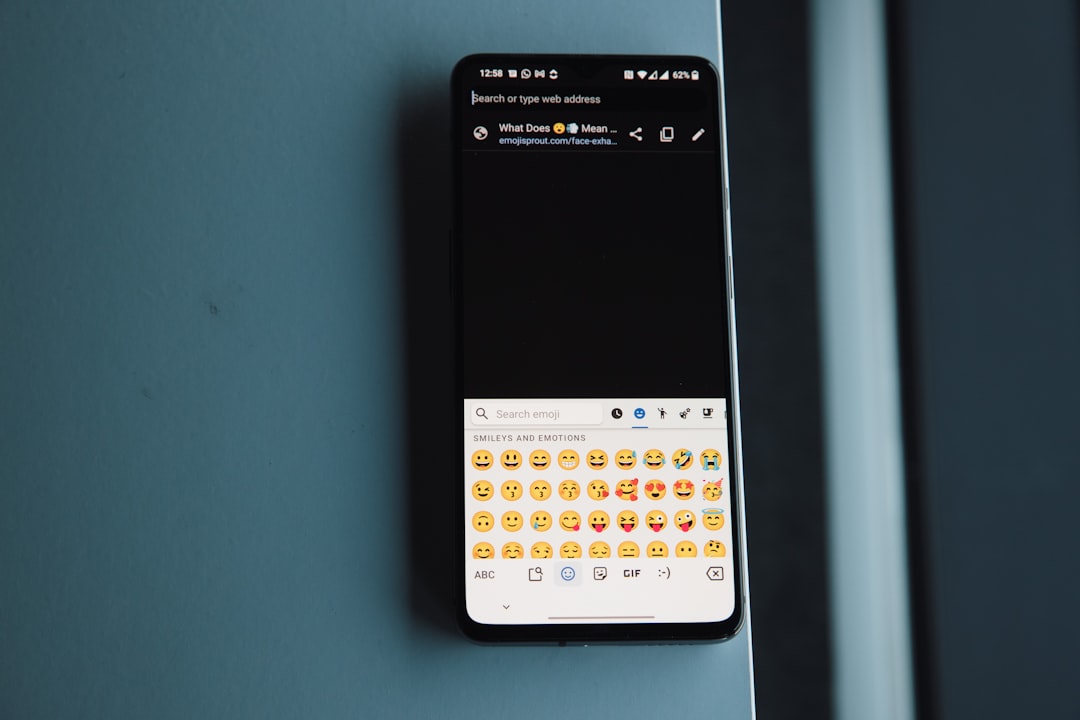
Instead of crowding the text field with individual icons, the new layout often centralizes attachments within a compact expandable menu. Key benefits include:
- Reduced visual noise
- More intuitive grouping of media options
- Easier navigation for new users
Users who frequently send images, GIFs, or files may notice fewer accidental taps thanks to better spacing and icon placement.
AI Integration and Smart Features
Artificial intelligence is playing a larger role in Google Messages, and the text field redesign creates space for smarter tools. Features such as:
- Magic Compose
- Smart Reply suggestions
- Context-aware prompts
are becoming more visually integrated rather than feeling like afterthoughts.
The new layout accommodates AI suggestions without overwhelming the primary typing experience. For instance, suggestion chips may appear above the text field without interfering with core controls.
This approach reflects Google’s broader strategy of embedding AI subtly into user workflows rather than making it intrusive.
Improved One-Handed Usability
With smartphone screens growing larger, one-handed usability has become increasingly important. The redesigned text field better supports thumb reach and ergonomics.
- Frequently used actions are positioned closer to the lower edge.
- Larger touch targets reduce mis-taps.
- Cleaner spacing improves accuracy.
For users on devices with 6.5-inch or larger displays, these improvements may significantly enhance comfort during daily messaging.
Material You and Visual Consistency
The redesign strongly reflects Android’s Material You design philosophy. Dynamic theming allows the text field to adapt to wallpaper-based color schemes. This creates a personalized aesthetic that feels integrated with the device’s overall look.
Visual consistency across Google apps such as Gmail, Google Chat, and Google Keep reinforces brand cohesion. The uniform rounded elements, soft color accents, and simplified layout make the entire Google ecosystem feel interconnected.
User Reactions and Adjustment Period
As with any interface change, user reactions are mixed. Many users praise the redesign for its:
- Cleaner interface
- Modern visual style
- Improved spacing
- Better flow
However, some longtime users express frustration due to:
- Muscle memory disruption
- Relocated attachment buttons
- Initial confusion about menu consolidation
Interface changes often require short adaptation periods. Research in UX design consistently shows that even small control relocations can momentarily disrupt frequent users. Over time, though, many come to prefer the updated structure.
Impact on Accessibility
Accessibility improvements appear to be an important side effect of the redesign. The larger spacing and simpler layout benefit users who:
- Have motor coordination challenges
- Rely on screen magnification
- Use screen readers
Clearer icon grouping can also reduce cognitive load for users who prefer minimalist layouts. While not marketed explicitly as an accessibility overhaul, the redesign supports broader usability principles.
How the Redesign Compares to Competitors
Competitor messaging apps like WhatsApp and iMessage also emphasize minimal clutter around the text field. Google’s new approach aligns more closely with these platforms by:
- Prioritizing whitespace
- Consolidating attachment options
- Enhancing animated transitions
- Embedding AI features more naturally
This similarity may reduce friction for users switching between platforms, especially in markets where multiple messaging apps are commonly used.
Long-Term Implications
The text field redesign may seem minor on the surface, but it represents Google’s larger commitment to refining core interaction patterns. Messaging remains one of the most frequently used smartphone functions. Even incremental changes in this area can have widespread daily impact.
By improving aesthetics, usability, accessibility, and AI integration, Google is actively shaping how Android users experience communication. As RCS adoption continues, future updates may further expand interactive features directly within the text field environment.
Frequently Asked Questions (FAQ)
1. What is the main purpose of the Google Messages text field redesign?
The primary goal is to create a cleaner, more modern interface while improving usability, accessibility, and AI feature integration. Google wants to simplify the layout without removing functionality.
2. Have any features been removed?
No major features have been removed. Instead, some buttons have been reorganized or consolidated into expandable menus to reduce clutter.
3. Why do the attachment icons look different?
Google has streamlined the attachment area, often grouping icons under a single expandable button. This improves visual clarity and prevents accidental taps.
4. Does the redesign affect RCS messaging?
The redesign does not change RCS functionality itself, but it enhances how RCS features such as typing indicators and read receipts visually integrate with the app’s interface.
5. Can users revert to the old design?
Typically, UI redesigns in Google Messages are rolled out as permanent updates tied to app versions, meaning there is usually no built-in option to revert to the previous layout.
6. Is the redesign available on all Android devices?
Availability depends on app version and rollout stages. Updates are generally distributed gradually via the Google Play Store.
7. Will the redesign impact battery performance?
The visual changes themselves have minimal effect on battery life. Any performance impact is negligible for most devices.
The Google Messages text field redesign demonstrates how even subtle interface refinements can meaningfully shape user experience. By modernizing visual elements, reorganizing controls, and making space for smarter AI tools, Google has made messaging more fluid and intuitive. While some users may need time to adjust, the long-term benefits point toward a more streamlined and capable communication platform.