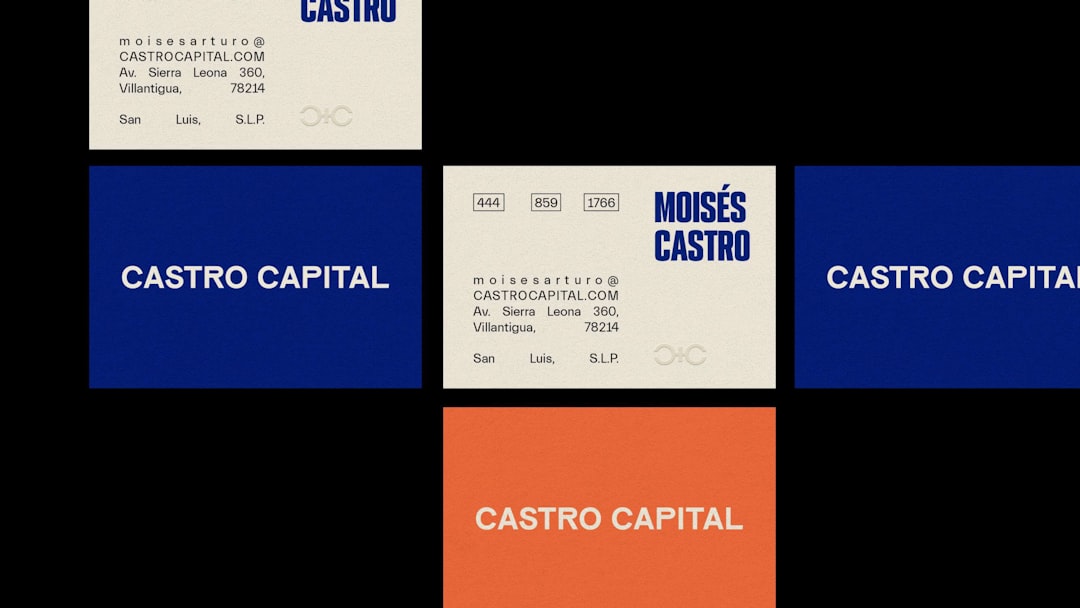
In today’s fast-paced and digitally driven academic landscape, branding has stepped beyond websites and brochures. One humble but powerful tool often overlooked in institutional branding is the business card. Especially within academic and institutional environments, where networking, research collaborations, and interdepartmental communications are vital, business card generators that support branding consistency are becoming indispensable.
TLDR (Too Long, Didn’t Read)
Business card generators play a crucial role in supporting academic and institutional branding by providing standardized, brand-aligned templates that are consistent across departments. These tools help streamline the creation process, reinforce visual identity, and ensure professionalism in all external communications. They are particularly useful for colleges, universities, and research institutions seeking cohesion across faculty and administrative staff. With advancements in design technology, these platforms are now more customizable and user-friendly than ever.
The Importance of Branding in Academic and Research Institutions
Branding is not just a commercial concern. For institutions of learning and research, branding ensures a unified message and identity across digital and physical assets. Whether it’s recognition in international collaborations or simply making a professional first impression, a strong and consistent visual identity contributes to the trust, authority, and influence of educational institutions.
Institutional branding includes color schemes, typefaces, logos, language tone, and even layout templates. When these elements seep into everyday tools like business cards, they reinforce the institution’s credibility and identity. Business cards, handed out at conferences, symposia, and seminars, become portable brand ambassadors.
What Are Business Card Generators?
Business card generators are digital platforms or software tools that allow users to design, customize, and produce business cards without needing in-depth graphic design skills. These generators often provide:
- Drag-and-drop interface for ease of use
- Templated designs based on brand guidelines
- Custom input fields for names, titles, departments, and contact details
- Download and print-ready formats
The great advantage is their ability to maintain branding consistency while giving users freedom to personalize their cards within set parameters. This is particularly useful in academic and research institutions with large staff bodies.
How They Support Academic and Institutional Branding
Universities and research centers typically have centralized brand departments that regulate the visual and verbal language of their organization. Business card generators integrate seamlessly with these brand guidelines by restricting fonts, colors, and layouts to approved standards.
Here’s how these tools contribute specifically to institutional branding:
1. Consistent Visual Identity
Using pre-approved templates makes it easy for departments to roll out business cards that match the larger brand. No matter which department produces the card—History, Biology, Admissions—the design integrity stays intact.
2. Time and Cost Efficiency
Manually designing cards or outsourcing them to designers for every new hire is inefficient. Business card generators reduce time-to-print and eliminate the need for design consultations, saving significant resources over time.
3. Flexibility with Control
Staff can input their data (name, position, contact information) and optionally select between a few approved layouts. Meanwhile, the placements, colors, and typefaces are locked to prevent inconsistent formatting.
4. Scalable Across Campus
Larger institutions with multiple campuses or departments benefit from tools that scale easily. Many generators come with admin dashboards where department heads or supervisors can batch order business cards for new staff.

Features to Look For in Academic-Friendly Card Generators
Not all business card generators are made equal. Institutions should consider these features when choosing one for faculty and staff use:
- Brand Template Locking: Prevents unauthorized changes to visual elements
- Integration with HR Systems: Populates contact information automatically for new employees
- Multi-User Access: Allows different departments to log in and generate cards independently
- Batch Processing: Supports printing large quantities at once for events like orientation or conferences
- Cloud Storage: Keeps records of all past card designs and orders
Use Cases in Real-World Institutions
Imagine a researcher at a global pharmaceutical innovation conference exchanging contact information. A well-designed, branded business card not only delivers that info but also leaves an impression of a well-established, professional institution. Similarly, administrative staff sharing contact cards with students or external agencies benefit from having a clean, recognizable visual identity.
Institutions like Harvard, MIT, and the University of Oxford already implement internal branding portals where all printed materials, including business cards, follow strict guidelines. Many of these universities use custom business card generators integrated into their brand management systems.
Customization Within Boundaries
For a tool to be useful to both the institution and the employee, flexibility within boundaries is key. A good platform will allow for certain tweaks—department colors, job titles, even QR codes linking to academic portfolios—while keeping logo positioning, fonts, and overall layout intact.
This hybrid model respects the individuality of academics and staff while maintaining public-facing consistency. It’s the difference between cohesive professionalism and visual chaos.

Environmental and Accessibility Considerations
Modern card generators are increasingly eco-conscious. Some offer digital business cards—easily shareable via smartphone or email—cutting down on paper waste. Others use responsible printing practices or encourage recyclable materials.
Moreover, accessibility should be considered in design templates. Sans-serif fonts, high-contrast colors, and clear layouts make cards readable for individuals with visual impairments, aligning with the inclusivity values most institutions espouse today.
Integration with Other Tools
A robust business card generator can plug into institutional software ecosystems. Think automated synchronization with:
- Campus HR databases
- Alumni relations CRM systems
- Department-specific directories
This creates smooth onboarding processes and ensures all faculty and staff contacts stay up-to-date across systems—not just on the card itself.
Best Practices for Implementation
To implement a business card generator institution-wide, consider these best practices:
- Start by auditing existing card designs in use—often surprising inconsistencies emerge across departments.
- Work with a branding consultant to finalize approved layouts and lockable design elements.
- Choose a business card platform with high scalability and integration support.
- Offer training sessions or tutorials for department admins and staff.
- Create a feedback loop to periodically reassess design effectiveness and user satisfaction.
Conclusion: A Small Tool With Big Impact
While they may seem minor in the age of digital portfolios and LinkedIn, business cards retain their analog value in formal and academic settings. A well-crafted business card reflects a thoughtfully branded institution—an asset in everything from hiring top talent to establishing global partnerships.
By using business card generators that prioritize institutional branding, educational bodies not only save time and money but also extend their reach and professionalism in every handshake. In academia, where first impressions matter just as much as published papers, a simple card can carry the weight of an entire institution’s credibility.