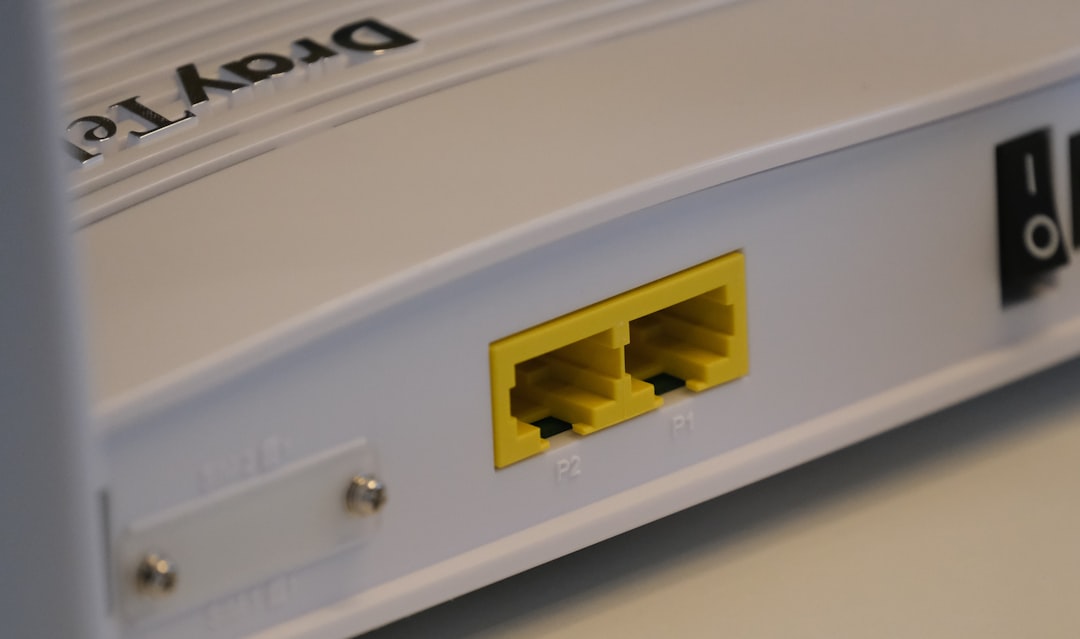
When it comes to protecting a Linux-based server infrastructure, implementing a capable and reliable firewall is one of the most crucial steps. While software firewalls like iptables and nftables are highly flexible, some environments require the added security and reliability of a dedicated physical firewall device running a hardened Linux distribution. Whether you’re setting up a home lab, small business infrastructure, or enterprise-grade environment, choosing the right physical Linux firewall can make all the difference in maintaining network security, stability, and performance.
TL;DR (Too Long, Didn’t Read)
Physical Linux firewalls offer excellent control, transparency, and resilience against network threats. Some of the best options include pfSense, OPNsense, and IPFire, which are often used on appliance-grade hardware or custom x86 machines. These solutions provide advanced features like deep packet inspection, intrusion detection and prevention, and VPN integration. They’re ideal for administrators who want a trustworthy, highly customizable firewall backed by robust community and commercial support.
What Is a Physical Linux Firewall?
A physical Linux firewall is a dedicated hardware device that runs a Linux-based operating system designed specifically for network filtering and traffic management. Unlike software firewalls that run as applications within an operating system, physical firewalls operate independently to inspect and route traffic between internal and external networks.
Running on minimal yet powerful Linux distributions, these systems are typically installed on rack-mounted servers, mini-PCs, or custom-built machines optimized for low power usage and high network throughput. Their main advantages include:
- High performance — Optimized for handling large volumes of traffic without bogging down the host operating system.
- Security isolation — Physical segregation from other services or endpoints enhances security.
- Advanced network features — Support for VPNs, VLANs, IDS/IPS, and QoS configurations.
Why Choose a Linux-Based Firewall?
Linux offers unmatched flexibility and transparency, which are key benefits in a firewall context. Open-source firewalls based on Linux give system administrators greater insight into the codebase, allow unlimited customization, and are often backed by strong communities that provide regular security updates and new features.
Linux-based physical firewalls excel in the following areas:
- Customization: Define rules and policies down to the packet level using iptables/nftables.
- Security: Benefit from hardened kernels and modular security frameworks like SELinux and AppArmor.
- Open-source freedom: Avoid vendor lock-in and expensive licensing fees.

Top Physical Linux Firewalls to Consider
1. pfSense (based on FreeBSD, but worth mentioning)
While not strictly Linux-based—pfSense is based on FreeBSD—it deserves mention for its prevalence in physical firewall deployments. Available as a downloadable ISO or pre-installed on Netgate hardware, pfSense is a powerhouse loaded with features like:
- Stateful packet inspection
- Load balancing and failover
- VPN support (OpenVPN, IPsec)
- Traffic shaping and QoS
Ideal for: Small to mid-size businesses and power users who want an enterprise-class firewall solution with a user-friendly UI.
Recommended hardware: Netgate SG-1100, SG-2100, or a custom-built PC with multiple NICs.
2. OPNsense
A fork of pfSense, OPNsense pairs a clean modern interface with cutting-edge features. Built on HardenedBSD, it supports rich routing and security capabilities, including:
- Ring-style high-availability clustering
- Multi-WAN and failover configurations
- Built-in intrusion detection/prevention system (Suricata)
- Zero Trust VPN features
OPNsense offers weekly security patches and integrates with modern tools such as WireGuard and OpenLDAP.
Ideal for: Network professionals who want solid performance, modern architecture, and ongoing improvements backed by community and commercial support.
3. IPFire
IPFire is a high-performance Linux firewall that’s lightweight and modular. Using a hardened Linux kernel, it allows full control over network zone configuration and security levels.
Main features include:
- Smart traffic prioritization engine
- Granular firewall rule definitions
- Strong support for VPNs including OpenVPN and IPSec
- Built-in IDS via Snort
Its web UI is intuitive, and its Pakfire package system allows installation of features like intrusion prevention, proxy services, and logging extras.
Ideal for: Users who want a secure, open-source firewall that runs on affordable hardware with minimal overhead.
Image not found in postmeta
4. Untangle NG Firewall (now part of Arista)
Untangle is a polished and feature-rich solution ideal for organizations wanting an all-in-one UTM (Unified Threat Management) box. Although based on Debian Linux, Untangle adds a proprietary layer with cloud-based administrative tools and automated threat responses.
Core features:
- Web filtering and app control
- Real-time intrusion prevention
- WAN failover/load balancing
- Endpoint VPN integration
Untangle also supports virtual deployment, though its physical firewall appliances offer better reliability for long-term installations.
Ideal for: Mid-to-enterprise level setups needing unified threat protection, real-time cloud integration, and commercial support.
5. Smoothwall Express (Community Edition)
Smoothwall is another open-source Linux firewall, focused on ease of use and performance. Though somewhat less updated than other alternatives, it still holds a place in simpler networks that require basic protections like port blocking, NAT, and VPN tunneling.
Best features:
- User-friendly browser interface
- Simple DMZ, LAN, WAN setups
- QoS and real-time network traffic graphs
Ideal for: Home networks, small businesses, and legacy systems that need to breathe new life into existing hardware.
Hardware Considerations for Physical Firewalls
The choice of hardware will impact your firewall’s effectiveness and stability. Luckily, Linux firewalls are typically efficient, and many run well on older or low-power systems. Here’s what to consider when assembling a hardware box:
- CPU: Multi-core processors improve performance on systems with advanced filtering or VPNs.
- RAM: 2–8 GB RAM is enough for most deployments, though IDS systems like Suricata benefit from more.
- NICs: At least two gigabit network interfaces (one WAN, one LAN) are essential.
- Form Factor: Mini-PCs like Protectli or Qotom make excellent compact firewall platforms.
Always ensure your hardware is supported by your chosen firewall’s kernel. For enterprise setups, opt for ECC memory and redundant power supplies.
Conclusion
Linux physical firewalls offer unmatched levels of control, performance, and security customization compared to proprietary appliances. With tools like pfSense, OPNsense, and IPFire, you can deploy a powerful firewall solution tailored to your specific needs. Whether you’re working with minimal resources or building a fault-tolerant enterprise system, one of these Linux firewall platforms will likely meet—and exceed—your expectations.
Ultimately, the proper physical firewall blends powerful software, reliable hardware, and a well-thought-out network design. By leveraging open-source Linux-based solutions, you’re investing in security as well as future scalability—without breaking the bank.