


Embedded SIM technology is reshaping the way people connect their devices to mobile networks. As more manufacturers remove the physical SIM tray, understanding which devices support eSIM—and how it works—has become essential for consumers and businesses alike. This guide explores eSIM-compatible smartphones, tablets, laptops, smartwatches, and other connected devices, while explaining benefits, limitations, and setup considerations.
TLDR: eSIM is a built-in digital SIM that eliminates the need for physical SIM cards. Many modern smartphones, tablets, laptops, and wearables now support eSIM technology, offering easier carrier switching and improved flexibility for travel and business use. Compatibility depends on device model, region, and carrier support. Before purchasing or switching, users should verify device specifications and carrier availability.
What Is eSIM Technology?
An eSIM (embedded SIM) is a programmable SIM card built directly into a device’s motherboard. Unlike traditional plastic SIM cards that must be physically inserted and replaced, an eSIM allows users to activate a mobile plan digitally by scanning a QR code or entering carrier details.
The technology is particularly valuable for:
- Frequent travelers who switch carriers internationally
- Business professionals managing multiple lines
- Manufacturers looking to save space inside devices
- IoT deployments requiring remote network provisioning
Because the eSIM is rewritable, users can store multiple carrier profiles on a single device and switch between them without swapping hardware.
Why eSIM Compatibility Matters
Not all devices support eSIM, and compatibility varies by region and carrier. A device may technically include eSIM hardware but remain restricted by firmware or carrier agreements. Consumers must therefore confirm three key factors:
- Device hardware support
- Carrier eSIM availability
- Regional unlocking policies
Understanding compatibility prevents activation issues and ensures users can take full advantage of digital SIM functionality.
eSIM-Compatible Smartphones
Most premium smartphones released in the past several years support eSIM technology. Below is a breakdown of major manufacturers and their compatible lines.

Apple iPhone
- iPhone XS, XS Max, and XR
- iPhone 11, 12, 13, 14, and 15 series
- iPhone SE (2nd generation and newer)
In certain markets, particularly the United States, newer iPhones are eSIM-only, meaning they no longer include a physical SIM tray.
Samsung Galaxy
- Galaxy S20 series and newer (region dependent)
- Galaxy S21, S22, S23, S24 series
- Galaxy Z Fold and Z Flip models
- Select Galaxy Note models
Google Pixel
- Pixel 3 and newer (excluding some regional variants)
- Pixel Fold
Other Android Brands
- Huawei P40 and Mate 40 series (limited regions)
- Motorola Razr models
- Sony Xperia 1 IV and newer models (selected markets)
Buyers should always confirm model numbers, as eSIM support may differ between global, U.S., or Asian variants of the same device.
eSIM-Compatible Tablets
Tablets with cellular connectivity increasingly integrate eSIM functionality, enabling business users and travelers to stay connected without Wi-Fi.

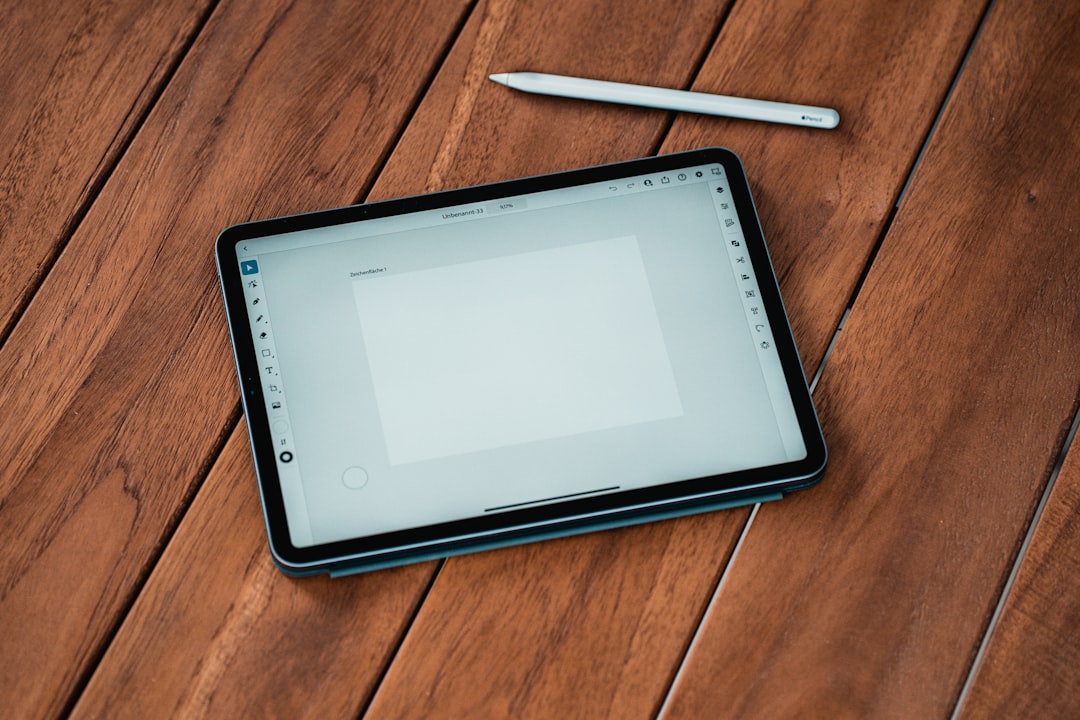
Apple iPad
- iPad Pro (3rd generation and newer)
- iPad Air (3rd generation and newer)
- iPad (7th generation and newer)
- iPad mini (5th generation and newer)
Apple’s implementation often allows users to activate plans directly from the device settings without scanning a QR code.
Samsung Galaxy Tab
- Galaxy Tab S6, S7, S8, and newer
- Select Galaxy Tab Active models
Cellular-enabled models must be selected; Wi-Fi-only variants do not support eSIM.
eSIM-Compatible Laptops
Modern laptops with built-in LTE or 5G modems frequently support eSIM technology, especially business-focused ultrabooks.
| Brand | Popular Models | Connectivity | Target Users |
|---|---|---|---|
| Microsoft | Surface Pro X, Surface Pro 9 5G | LTE / 5G eSIM | Business professionals |
| Lenovo | ThinkPad X1 Carbon Gen 9+, X13 Gen 2+ | LTE eSIM | Enterprise users |
| HP | Elite Dragonfly, EliteBook 800 series | LTE eSIM | Corporate mobility |
| Dell | Latitude 7000 series | LTE / 5G eSIM | Remote workforce |
These laptops allow remote provisioning of mobile data plans, making them ideal for distributed teams.
eSIM-Compatible Smartwatches
Wearables are among the earliest adopters of eSIM technology. Because of their compact size, removing the physical SIM tray is particularly advantageous.

- Apple Watch Series 3 and newer (Cellular models)
- Samsung Galaxy Watch LTE models
- Google Pixel Watch LTE versions
- Huawei Watch cellular variants
Users should note that smartwatch eSIM activation often requires pairing with a compatible smartphone carrier plan.
eSIM in IoT and Other Devices
Beyond consumer electronics, eSIM plays a crucial role in Internet of Things (IoT) deployments. Devices such as connected cars, fleet trackers, smart meters, and industrial sensors utilize eSIM for remote management.
Key benefits include:
- Remote carrier provisioning
- Reduced maintenance costs
- Improved global scalability
- Enhanced device durability
This market segment is expected to drive long-term eSIM growth worldwide.
How to Check if a Device Supports eSIM
Consumers can verify compatibility using the following methods:
- Review the manufacturer’s official technical specifications.
- Check for an “Add eSIM” option in mobile network settings.
- Dial device-specific codes (such as IMEI checks).
- Contact the carrier directly for confirmation.
Additionally, users should confirm whether the device is carrier-unlocked, as locked devices may restrict eSIM activation.
Advantages of eSIM-Compatible Devices
- Convenience: No need to visit stores or wait for SIM deliveries.
- Dual SIM functionality: Many phones support one physical SIM and one eSIM simultaneously.
- Space efficiency: Allows slimmer and more water-resistant designs.
- Eco-friendly: Reduces plastic waste from SIM production.
Potential Limitations
Despite its advantages, eSIM technology has some drawbacks:
- Limited support in certain countries
- Carrier restrictions on profile transfers
- More complex device switching process compared to moving a physical SIM
- Compatibility fragmentation between regional variants
However, as global carrier adoption increases, these limitations continue to diminish.
Future of eSIM-Compatible Devices
The trajectory of mobile technology suggests that eSIM—and even iSIM (integrated SIM)—will become standard across most connected devices. As manufacturers phase out physical SIM trays, digital provisioning will streamline consumer activation and enterprise fleet management.
In the coming years, mid-range smartphones and budget models are expected to adopt eSIM more widely, further accelerating mainstream adoption.
Frequently Asked Questions (FAQ)
1. Can a device use both eSIM and a physical SIM?
Yes. Many dual-SIM smartphones support one physical SIM and one eSIM simultaneously. Some newer devices support dual eSIM functionality.
2. Is eSIM available in every country?
No. Availability depends on carrier support within each country. Travelers should confirm local carrier compatibility before relying solely on eSIM.
3. Can eSIM profiles be transferred between devices?
In many cases, yes. However, the process varies by manufacturer and carrier. Some require contacting the carrier for profile reissuance.
4. Are eSIM-only phones less flexible?
Not necessarily. eSIM-only devices may actually provide greater flexibility digitally, but they require carrier support for activation.
5. How many eSIM profiles can a device store?
Most devices can store multiple profiles, though typically only one or two can be active simultaneously.
6. Does eSIM affect battery life?
No significant difference in battery consumption has been observed compared to physical SIM usage.
7. Is eSIM secure?
Yes. eSIM uses secure hardware encryption standards. Remote provisioning processes are encrypted and regulated by mobile network specifications.
As digital connectivity continues to evolve, understanding eSIM-compatible devices empowers users to make informed purchasing and activation decisions in an increasingly wireless world.