


In recent years, the board game industry has seen a massive boom, with passionate designers and players alike fueling a renaissance of cardboard creativity. Amidst sprawling titles from industry giants like Hasbro, Fantasy Flight, and CMON, a curious trend has emerged: indie board games, often made on shoestring budgets with small teams or even single creators, are carving out surprising slices of success. But the lingering question remains—can an indie board game really compete with the behemoths of the publishing world?
TL;DR
Yes, indie board games can and do compete with big publishers today. Thanks to platforms like Kickstarter, passionate communities, and social media marketing, indie creators can reach global audiences without the overhead costs of traditional publishing. While they may lack the budgets and mass production capabilities, innovative design, authentic storytelling, and niche appeal allow indie games to thrive. However, it’s not without its challenges—breaking into retail and maintaining long-term visibility remain significant hurdles.
The Rise of Indie Board Games
The term “indie board game” typically refers to a tabletop game produced outside of major publishing houses. These games often rely on crowdfunding, small print runs, and word-of-mouth marketing to reach players. Over the past decade, we’ve seen indie titles like Root, Gloomhaven, and Wingspan (although now backed by larger publishers) start with humble indie roots and become global hits.
This rise is not an accident. It’s the result of several converging industry shifts:
- Crowdfunding: Kickstarter and Gamefound have democratized funding, allowing designers to bypass traditional budget constraints.
- Print & Play Resources: Digital tools and better access to print-on-demand services make prototyping and limited runs feasible for small teams.
- Community Hype: Online platforms like Reddit, BoardGameGeek, YouTube, and TikTok foster strong communities around niche themes and mechanics.
- Design Flexibility: Indie creators are free to take big creative risks without needing executive approvals, resulting in more innovative games.
All these factors have leveled the playing field considerably, putting indie efforts within striking distance of big studio outputs in both quality and popularity.
What Do Big Publishers Have That Indies Don’t?
Still, it’s important to recognize the advantages that major publishers bring to the table, as these often dictate just how steep the competition really is.
- Distribution Muscle: Big publishers have established relationships with distributors and retailers worldwide, ensuring that their games make it onto shelves across major markets.
- Marketing Budgets: With funds for large-scale advertisements, professional trailers, influencer sponsorships, and convention appearances, they can generate much greater awareness and anticipation.
- Quality Assurance: More resources mean more testers, higher component production quality, and fewer issues with game balance or setups.
- IP Licensing: Many popular games from major companies use well-known franchises like Star Wars, Dune, or Marvel to pull in existing fanbases.
These advantages are substantial and can make it daunting for an indie game to stand toe-to-toe with the industry’s titans. But competition doesn’t always mean beating them at their own game.
How Indie Games Find Their Niche
One of the core strengths of indie board games is their ability to explore niche themes and unconventional mechanics that big publishers might shy away from. A game about navigating bureaucracy in an interstellar empire? A cozy murder mystery set in a bookstore? These aren’t mainstream crowd-pleasers by design—but that’s the point.

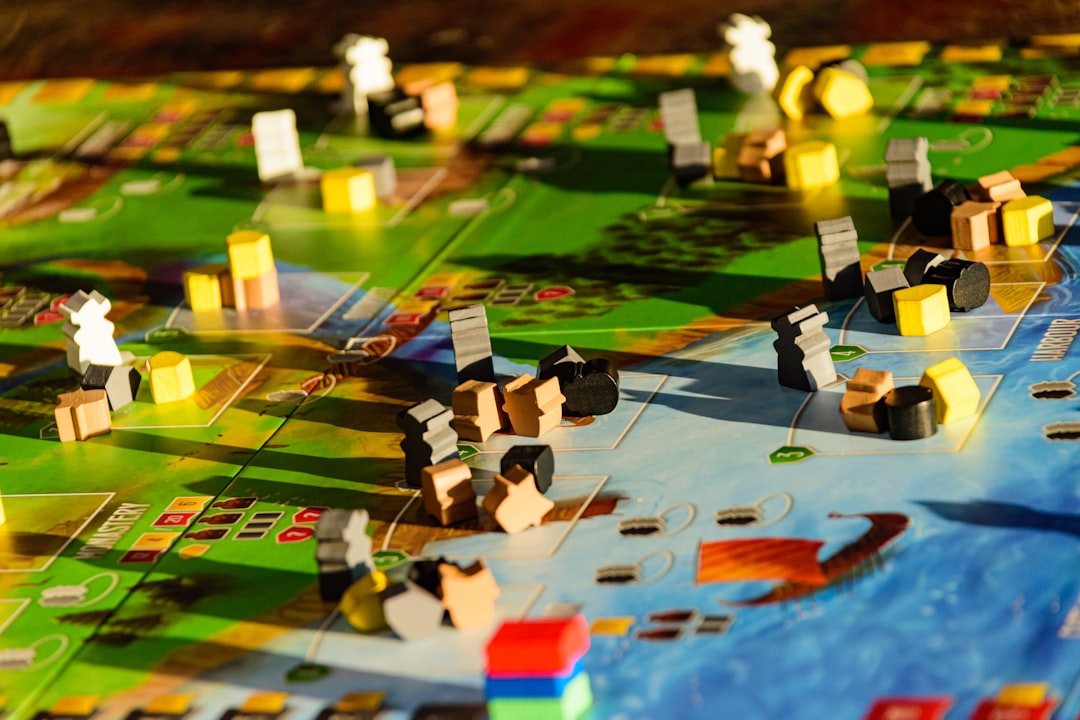
By leaning into distinctiveness, indie designers can build loyal communities that evangelize their games without massive advertising budgets. These games might not sell millions of copies, but that’s not always the goal. Instead, they excel at being unique, memorable, and re-playable, which drives long-term value.
Case Study: Gloomhaven
Originally a Kickstarter title by Isaac Childres, Gloomhaven is the poster child for indie board game success. Without celebrity licenses or a well-known publisher, it used rich gameplay, deep storytelling, and community engagement to become a top-rated and best-selling game on BoardGameGeek. It eventually led to a spin-off, a digital version, and mainstream distribution—something few expected from such modest beginnings.
Advantages Indie Designers Bring to the Table
Interestingly, being small can actually be an advantage. Let’s explore why:
- Agility: Indie teams can move faster, playtest quickly, and adapt to feedback with minimal bureaucracy.
- Personal Touch: Many backers enjoy exclusive content or personalized messages from designers, building a deeper connection than they’d have with faceless corporations.
- Passion Projects: Indie creators are often designing the games they want to see in the world, leading to more heartfelt and original concepts.
Backers and buyers can sense authenticity. In a medium defined by fun and human interaction, that authenticity often translates into deep fan loyalty.
The Challenge of Sustained Momentum
Of course, it’s one thing to successfully launch a game, and another entirely to maintain relevance. Many indie games shine brightly but briefly before being eclipsed by newer titles.

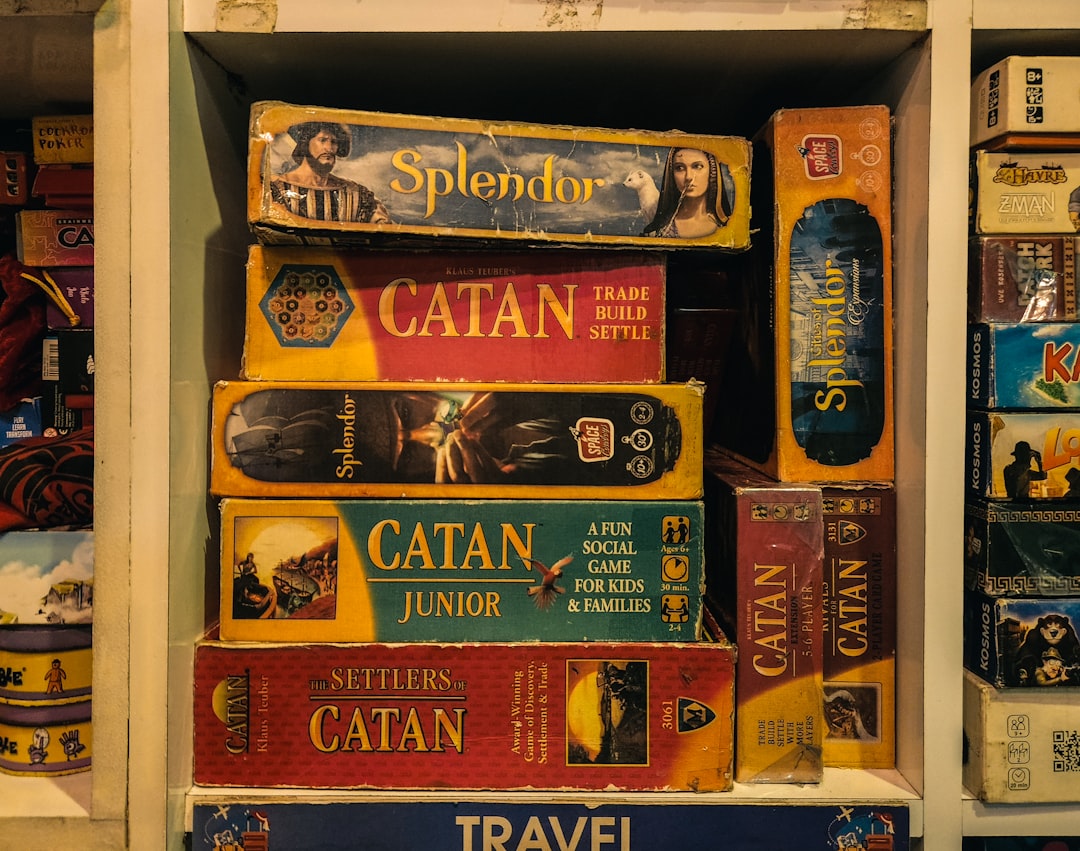
Here are some of the common hurdles:
- Lack of Retail Presence: Without access to chain stores or international fulfillment, it’s difficult for indie games to scale or restock effectively.
- Post-Kickstarter Troubles: After a successful campaign, delivering the game can be fraught with delays, budgeting errors, and customer support demands not all indies are equipped to handle.
- Limited Marketing Reach: Many players simply never hear about these games, especially if they don’t frequent hobby communities online.
To mitigate this, some indie creators eventually partner with mid-sized publishers after their initial success, trading some independence for reach and sustainability.
Tips for Indie Designers Trying to Compete
If you’re a designer hoping to bring your game into the ring with the heavyweight publishers, here are some strategies to consider:
- Refine Your Hook: Make sure your game has a clear, compelling pitch. What makes it different? Why should people care?
- Invest in Visuals: Hire an artist or graphic designer—even if it’s your biggest expense. Presentation goes a long way in a crowded market.
- Build a Community Early: Use social media, Discord, and online forums to share your process and engage your audience long before launch day.
- Plan Production Realistically: Understand overseas manufacturing timelines, shipping costs, and backup plans. Poor logistics sink many strong games.
- Attend Conventions: Even one small booth at a local board game expo can create valuable buzz and direct player feedback.
So Can Indie Games Compete?
In a word: absolutely. Indie publishers may not have the raw resources of their bigger rivals, but they’ve proven time and again that innovation, community, and dedication can carry a great game to remarkable heights.
While not every indie title reaches Gloomhaven-level fame, the playing field has never been more accessible. With new tools, engaged audiences, and a hunger for new experiences, indie board games aren’t just competing with big names—they’re helping to shape the future of tabletop gaming itself.
And perhaps that’s the most exciting part: you don’t have to be massive to make a big impact.