



In the digital age, it might be tempting to assume that traditional tools like business cards have become obsolete. However, for education professionals—be it teachers, administrators, or academic consultants—business cards remain a powerful tool for networking and establishing authority. A well-designed business card not only communicates essential contact information but also reinforces professional credibility within schools, conferences, and academic institutions.
TLDR: Business cards continue to be invaluable for education professionals looking to establish authority, build networks, and make lasting impressions. Investing in a customized, well-crafted design from a reputable card maker elevates credibility both in-person and online. Digital and physical business cards each have a role to play, and modern card makers allow professionals to blend both seamlessly. Choosing the right design and content can subtly signal a commitment to excellence in the field of education.
The Role of Business Cards in the Education Sector
Unlike high-pressure sales environments, the education sector thrives on meaningful relationships and long-term trust. Business cards in this domain are not about pitching a product but about creating a memorable professional identity. Whether shared after a seminar, during a parent-teacher association meeting, or at an academic workshop, a business card provides a tangible reminder of a professional’s name, role, and expertise.
For education professionals seeking to stand out in competitive job markets or expand their influence through speaking engagements, publications, or consulting, personal branding is key. A business card contributes significantly to that branding.
Why Educational Professionals Need High-Quality Business Card Makers
Not all business cards are created equal. A card printed on low-quality paper with poor design can undermine the very authority an educator seeks to establish. Here are several reasons why choosing a high-quality business card maker is essential:
- First Impressions Matter: A visually striking card captures attention and helps others remember the encounter.
- Reflects Professionalism: Well-designed cards convey attention to detail and investment in personal branding.
- Information Accessibility: Accurate and well-organized content helps recipients quickly understand the cardholder’s role and contacts.
- Trust and Legitimacy: Credible physical stationery enhances trust, especially in conservative or traditional educational settings.


Types of Business Card Makers for Educators
There are various tools and services available to create business cards, ranging from online platforms to professional printing services. Below are a few options suited to education professionals:
1. Online Design Tools
Web-based platforms like Canva, VistaPrint, and Zazzle allow users to design cards with pre-made templates specifically tailored for academia. These are user-friendly and may offer features like drag-and-drop interfaces, educational-themed icons, and preview modes.
2. Professional Graphic Designers
For those looking for higher customization or a truly unique card design, hiring a freelance graphic designer can be ideal. While more costly, the result can be worth the investment, especially for academic consultants or authors building a niche brand.
3. Local Print Shops
Many educators prefer local businesses that offer quick turnaround times and personalized customer service. In addition, supporting local businesses is often aligned with the values of educational institutions.
4. Hybrid and Digital Business Cards
Modern card makers are increasingly offering digital business cards that can be shared via QR codes or NFC technology. These allow instant updates, linking to portfolios, LinkedIn profiles, and scheduled availability. They’re an excellent complement to physical cards rather than a replacement.
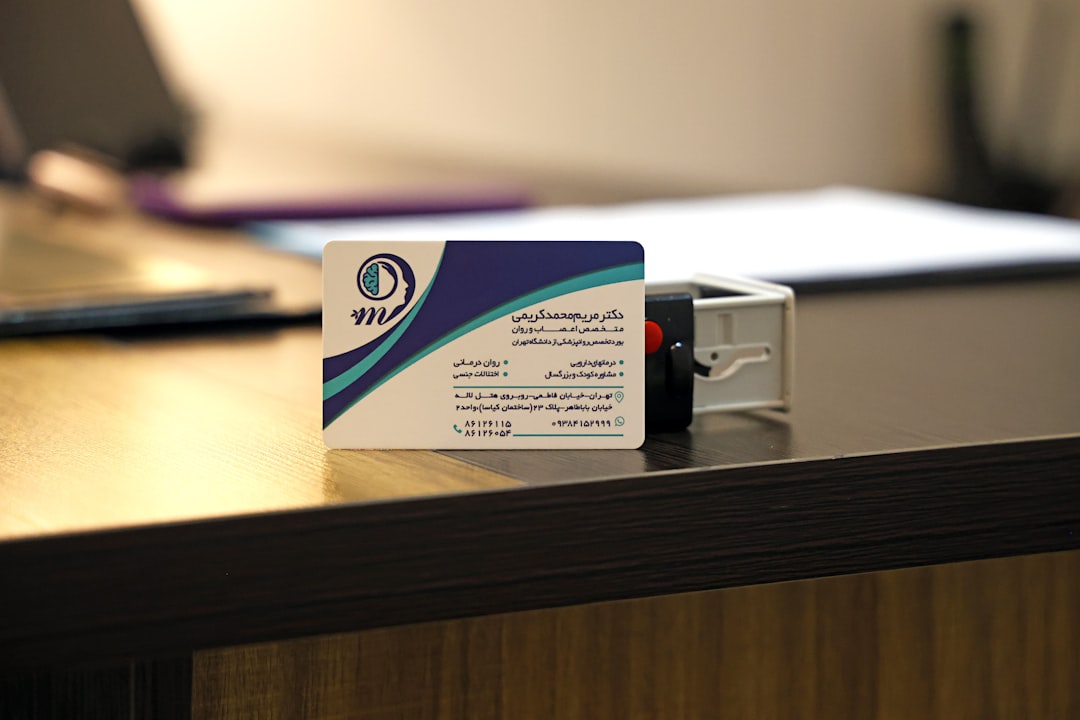
Best Practices for Designing Business Cards as an Education Professional
Designing an effective business card requires attention to both aesthetics and usability. Below are some best practices to keep in mind:
- Keep It Simple: Avoid clutter. Stick to name, title, institution, contact details, and perhaps one memorable quote or skill tag.
- Use Readable Fonts: Choose fonts that are professional yet readable. Avoid overly decorative styles.
- Include Educational Credentials: Academic degrees, certifications, or awards can enhance the cardholder’s authority.
- Use Professional Titles: Clarity is key. “STEM Coordinator,” “Adjunct Professor of English,” or “Curriculum Specialist” is more specific than just “Educator.”
- Brand Consistency: Match card design elements with existing branding (website, profile photo, LinkedIn header) for consistency.
Benefits of Business Cards for Establishing Authority
When crafted with thought and precision, business cards offer several benefits unique to education professionals:
- Peer Recognition: A professional-looking card shared at academic conferences helps peers remember and reach out.
- Improved Networking: Teachers and administrators relying on word-of-mouth communications can amplify their personal brand through physical connections.
- Recruitment and Consulting: Independent education consultants or tutors gain credibility with a branded card showcasing experience and contact points.
- School Representation: Teachers representing their school at events elevate the institution’s image with cohesive, branded materials.
Modern Features to Consider Including on Business Cards
Today’s business cards can do much more than list a name and number. Some educators are integrating unique elements to stand out even more:
- QR Codes: Link to resumes, professional teaching portfolios, or class websites.
- Social Media Handles: Especially useful for educators sharing content on Twitter, LinkedIn, or education-focused networks.
- Language Options: For those working in bilingual areas or international contexts, having a card in two languages adds appeal.
Selecting the Right Business Card Maker
Choosing the right business card maker depends on budget, branding goals, and how the cards will be used. Here’s a quick guide:
| Option | Best For | Cost Range |
|---|---|---|
| Online Tools (e.g., Canva, VistaPrint) | Quick, template-based creation | Low to Medium |
| Freelance Designer | Custom design and branding | Medium to High |
| Local Print Shops | Personal support, fast turnaround | Medium |
| Digital Card Services (e.g., HiHello, Blinq) | Tech-savvy professionals, digital networking | Free to Medium Subscription Models |
Conclusion
For education professionals, a business card isn’t just a formality—it’s a compact ambassador of professionalism, purpose, and authority. As much as digital communication evolves, this small piece of stationery continues to carry weight in one-on-one interactions, formal events, and professional development environments. Whether going digital, staying traditional, or combining both, educators who invest in quality business cards bolster their visibility and reputation in meaningful, tangible ways.
Frequently Asked Questions (FAQ)
- 1. Are business cards still relevant for teachers and education professionals?
- Absolutely. Business cards help educators communicate their professional identity and make lasting impressions at conferences, PTA meetings, and networking events.
- 2. Can I create a business card for free?
- Yes, tools like Canva and VistaPrint offer free versions. However, for high-quality printing or custom designs, there may be costs involved.
- 3. Should I include social media on my business card?
- Only if those profiles are professionally relevant. For example, LinkedIn or a Twitter profile used for sharing academic content can be very effective.
- 4. What details must appear on an educator’s business card?
- At a minimum: full name, title or position, school/institution name, contact number, email, and optionally a website or portfolio link.
- 5. Are digital business cards better than printed ones?
- Both have their place. Digital cards work well in virtual settings and tech-savvy circles, while printed cards shine in conferences and face-to-face interactions.