

As organizations scale their internal operations, the tools they use to build dashboards, admin panels, and workflow apps often evolve. While Appsmith remains a popular open-source choice for internal app development, many teams eventually evaluate альтернативы that better match their security, scalability, governance, or customization requirements. Whether the motivation is performance, pricing, deployment flexibility, or enterprise features, there are several platforms consistently compared when moving away from Appsmith.
TLDR: Teams moving away from Appsmith typically compare seven leading internal app development platforms: Retool, Microsoft Power Apps, OutSystems, Mendix, Budibase, ToolJet, and Zoho Creator. Each tool differs in pricing, deployment flexibility, enterprise readiness, and ease of use. The right alternative depends on whether teams prioritize low-code simplicity, deep customization, open-source control, or enterprise governance. Evaluating integration needs, scalability, and long-term ownership costs is critical before making a switch.
Below are the seven solutions most commonly evaluated when transitioning away from Appsmith.
1. Retool
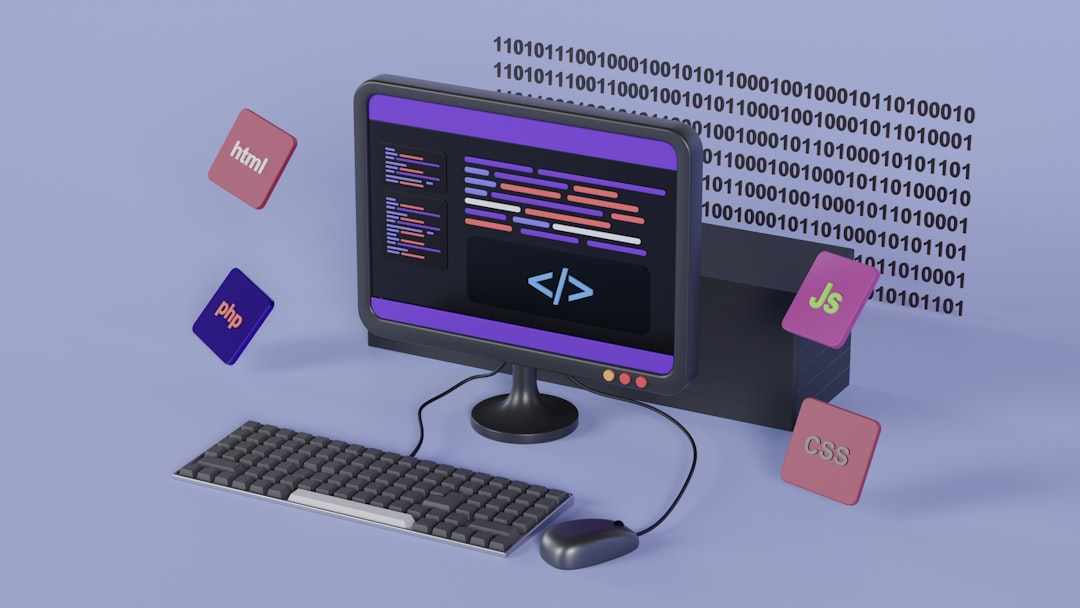
Retool is often the first comparison point. Designed specifically for building internal tools quickly, it offers a large library of prebuilt components, native integrations with databases and APIs, and strong custom scripting support.

Why teams compare it:
- Intuitive drag-and-drop UI builder
- Strong SQL and REST API integrations
- Advanced role-based access control
- Cloud and self-hosted deployment options
Where it differs from Appsmith: Retool emphasizes polished UI components and enterprise governance. However, it may come at a higher price point, especially for larger teams.
Organizations needing a mature platform with scalable architecture often shortlist Retool immediately when evaluating alternatives.
2. Microsoft Power Apps
Microsoft Power Apps attracts teams already operating inside the Microsoft ecosystem. Its seamless integration with Azure, Microsoft 365, SharePoint, and Dynamics makes it a powerful enterprise contender.
Why teams compare it:
- Deep integration with Microsoft products
- Enterprise-grade compliance and security
- AI-assisted app creation
- Strong workflow automation via Power Automate
Key consideration: Licensing can quickly become complex and expensive depending on data usage and connectors.
For enterprises standardized on Microsoft tools, Power Apps often provides tighter governance and native compliance capabilities than open-source platforms.
3. OutSystems
OutSystems is positioned as a high-performance enterprise low-code platform. It is frequently compared when organizations outgrow lightweight internal app builders.
Reasons teams evaluate it:
- Robust scalability
- Advanced DevOps pipelines
- AI-assisted development features
- Support for complex enterprise applications
OutSystems is particularly relevant for companies transitioning from simple admin dashboards to mission-critical applications.
Trade-off: It offers power and structure but requires higher investment and implementation planning.
4. Mendix
Mendix, a Siemens-backed platform, targets enterprises seeking structured, collaborative low-code environments.


Why it’s compared:
- Strong governance and compliance capabilities
- Scalable architecture
- Collaboration tools for large development teams
- Cloud-native deployment flexibility
Mendix stands out for organizations needing to connect internal app development with larger digital transformation strategies. It appeals to companies that require auditability and enterprise lifecycle management beyond what lighter platforms provide.
5. Budibase
Budibase is frequently viewed as one of the most direct open-source comparisons. Like Appsmith, it supports self-hosting and offers strong customization.
Why teams consider it:
- Open-source foundation
- Self-hosted deployments
- Built-in database option
- Automation tools
Budibase often appeals to teams seeking open-source flexibility while looking for differences in UI design philosophy, pricing tiers, or automation options.
Key difference: Budibase emphasizes faster CRUD app creation with simpler workflows.
6. ToolJet
ToolJet is another open-source internal tool builder frequently evaluated alongside Appsmith.
Why it makes comparison lists:
- Strong API integrations
- Docker-based self-hosting
- JavaScript extensibility
- Lightweight deployment model
Some teams prefer ToolJet for its UI flexibility or simplicity when building administrative dashboards.
It tends to appeal to engineering-driven teams comfortable writing custom scripts while still leveraging visual builders.
7. Zoho Creator
Zoho Creator targets businesses that want structured app building without heavy technical setup.

Why teams compare it:
- Low learning curve
- Integrated database features
- Strong mobile deployment capabilities
- Cost-effective entry plans
While it may not match the open-code extensibility of Appsmith, it appeals to operations teams seeking rapid deployment with minimal engineering overhead.
Comparison Chart
| Platform | Best For | Hosting Options | Enterprise Features | Technical Flexibility |
|---|---|---|---|---|
| Retool | Fast internal dashboards | Cloud & Self-hosted | Strong | High |
| Power Apps | Microsoft-centric teams | Cloud | Very Strong | Moderate |
| OutSystems | Mission-critical enterprise apps | Cloud & On-prem | Very Strong | High |
| Mendix | Large collaborative enterprises | Cloud & Hybrid | Very Strong | High |
| Budibase | Open-source advocates | Self-hosted & Cloud | Moderate | Moderate to High |
| ToolJet | Developer-driven teams | Self-hosted & Cloud | Moderate | High |
| Zoho Creator | SMBs & operations teams | Cloud | Moderate | Low to Moderate |
Key Factors Teams Evaluate During Transition
When comparing platforms, organizations typically assess:
- Security and Compliance: SOC 2, GDPR, HIPAA readiness
- Scalability: Ability to handle growing workflows and user bases
- Deployment Flexibility: Cloud vs self-hosted vs hybrid
- Customization: JavaScript extensibility and API access
- Pricing Structure: Per-user vs per-app vs usage-based pricing
- Vendor Lock-In Risk: Export options and open architecture
Ultimately, teams rarely switch platforms for a single reason. Most decisions stem from a combination of cost considerations, performance needs, governance requirements, and long-term scalability planning.
FAQ
Why do teams move away from Appsmith?
Teams commonly cite scaling challenges, enterprise compliance requirements, pricing shifts, feature gaps, or the need for tighter ecosystem integrations as reasons to explore alternatives.
Is open-source important when choosing an alternative?
For some organizations, yes. Open-source platforms offer transparency, customization, and self-hosting control. Others prioritize enterprise support and managed infrastructure instead.
Which alternative is best for large enterprises?
OutSystems and Mendix are frequently preferred for large-scale, mission-critical enterprise applications. Microsoft Power Apps is also popular in corporations heavily invested in the Microsoft ecosystem.
What is the most cost-effective alternative?
Cost-effectiveness depends on user count and deployment scale. Budibase, ToolJet, and Zoho Creator often appeal to smaller teams looking for predictable or lower entry pricing.
How long does it take to migrate internal apps?
Migration timelines vary. Simple dashboards may take days or weeks, while complex, integrated systems can require months of redevelopment and testing.
Can teams combine platforms?
Yes. Some organizations use multiple low-code tools for different departments. However, this increases governance complexity and requires careful data integration planning.
Choosing the right internal app builder requires balancing flexibility, cost, governance, and development speed. By carefully evaluating these seven platforms, organizations can identify a solution aligned with their technical capabilities and long-term operational goals.