



As applications grow in complexity, backend automation becomes the invisible engine that keeps everything running smoothly. Many teams turn to Appwrite Functions for handling server-side logic, scheduled jobs, API orchestration, and event-driven automation. But whether due to scaling needs, ecosystem preferences, pricing, or architectural shifts, companies often explore alternatives. The good news? There are several powerful tools that can replace or extend Appwrite Functions while offering flexibility, scalability, and robust developer ecosystems.
TLDR: Companies replacing Appwrite Functions typically look for scalable, event-driven backend automation platforms. Popular alternatives include AWS Lambda, Google Cloud Functions, Supabase Edge Functions, Firebase Cloud Functions, and Temporal. Each offers different strengths in scalability, integrations, developer experience, and pricing models. Choosing the right one depends on workload complexity, infrastructure preferences, and long-term growth plans.
In this article, we explore five tools companies frequently evaluate when transitioning away from Appwrite Functions and what makes each option compelling.
1. AWS Lambda
AWS Lambda is often the first platform organizations consider when replacing backend function systems. As a core service within Amazon Web Services, Lambda executes code in response to events without requiring server management.
Why companies consider Lambda:
- Massive scalability and enterprise-grade reliability
- Deep integration with AWS services (S3, DynamoDB, API Gateway, SQS)
- Pay-per-execution pricing model
- Strong security and compliance features
Lambda shines in event-driven architectures. Developers can trigger functions on database changes, file uploads, HTTP requests, or cloud events. For companies already embedded in the AWS ecosystem, Lambda offers a seamless upgrade path with virtually unlimited scaling potential.
However, the trade-off can be complexity. Managing IAM permissions, monitoring, and cold starts requires careful architecture planning.

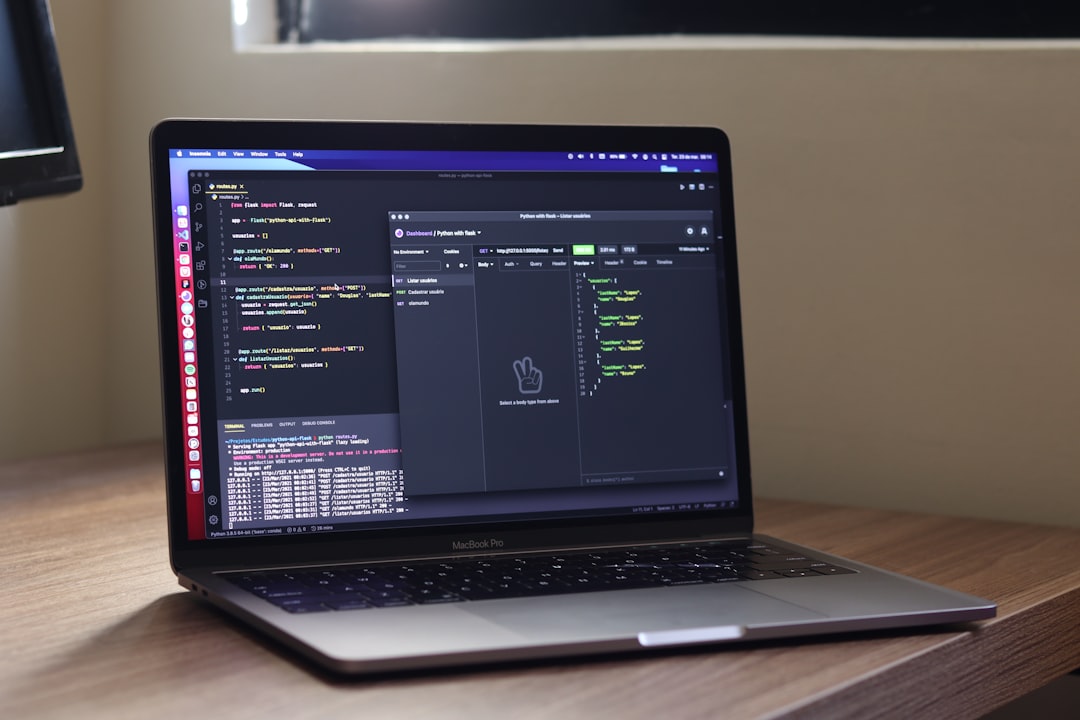
For organizations prioritizing performance, global reach, and expansion readiness, Lambda remains one of the strongest Appwrite Function replacements.
2. Google Cloud Functions
Google Cloud Functions provides similar serverless capabilities within the Google Cloud ecosystem. Designed to run lightweight code in response to triggers, it integrates naturally with Firebase, Pub/Sub, Cloud Firestore, and BigQuery.
What makes it attractive:
- Native integration with Google services
- Smooth developer experience for JavaScript and Python developers
- Strong AI and data connectivity
- Automatic scaling
Companies that leverage Google’s data tools often prefer this ecosystem because automation can tie directly into analytics pipelines and AI workflows. For example, a trigger could automatically process uploaded data into BigQuery, then feed it into predictive models.
Google Cloud Functions works particularly well for startups and SaaS providers needing reliable serverless automation but not the operational overhead of server management.
The platform may feel less flexible for teams deeply invested in non-Google infrastructure, though cross-cloud integrations are certainly possible.
3. Supabase Edge Functions
For teams that chose Appwrite because of its open-source flexibility, Supabase Edge Functions has become an increasingly popular alternative.
Supabase, built around a PostgreSQL core, offers a modern backend stack with authentication, real-time subscriptions, and serverless edge functions powered by Deno.
Why it’s compelling:
- Open-source foundation
- Edge runtime for low latency
- Tight integration with PostgreSQL database triggers
- Strong TypeScript support
Unlike traditional serverless models centralized in specific regions, edge functions can execute closer to end users, reducing latency. This is especially useful for apps with global audiences.
Image not found in postmetaFor teams looking to stay within an open ecosystem while gaining global edge performance, Supabase offers a developer-friendly path forward.
However, compared to AWS or Google Cloud, its ecosystem breadth is still smaller—though it’s expanding rapidly.
4. Firebase Cloud Functions
Firebase Cloud Functions blends tightly with the Firebase platform, making it ideal for mobile and web apps heavily dependent on Firebase services.
It allows developers to run backend logic triggered by:
- Authentication events
- Firestore updates
- HTTP requests
- Analytics events
This tight integration simplifies app development pipelines. For mobile-first startups, Firebase can feel more straightforward than configuring a more generalized cloud provider setup.
Key advantages:
- Easy deployment workflow
- Built-in monitoring tools
- Real-time database triggers
- Strong front-end integration
The limitation? As projects scale beyond the Firebase ecosystem, flexibility may decrease. Companies with multi-cloud strategies may prefer cloud-agnostic platforms instead.
Still, for streamlined mobile application automation, Firebase remains a powerful and intuitive choice.
5. Temporal
While the previous tools focus on serverless execution, Temporal represents a different approach: durable workflow orchestration.
Temporal allows teams to build reliable, long-running processes where state persistence and fault tolerance are critical.
Ideal use cases include:
- Payment processing pipelines
- Multi-step onboarding flows
- Distributed microservice coordination
- Complex retry logic management


Unlike simple event-response platforms, Temporal ensures that workflows continue even if services crash or time out. This makes it ideal for mission-critical automation.
However, it requires more architectural planning and may feel heavyweight for simpler function replacements.
Comparison Chart
| Tool | Best For | Scalability | Ecosystem Integration | Complexity Level |
|---|---|---|---|---|
| AWS Lambda | Enterprise event-driven systems | Extremely high | Extensive AWS ecosystem | Moderate to High |
| Google Cloud Functions | Data-driven and AI-enabled apps | Very high | Strong Google integration | Moderate |
| Supabase Edge Functions | Open-source projects and global apps | High | PostgreSQL-centered | Low to Moderate |
| Firebase Cloud Functions | Mobile and web apps | High | Firebase ecosystem | Low to Moderate |
| Temporal | Complex workflow orchestration | High | Language and infrastructure flexible | High |
Key Factors Companies Evaluate
When replacing Appwrite Functions, companies rarely switch without carefully analyzing their priorities. Common evaluation factors include:
- Scalability requirements: Can the system handle unpredictable growth?
- Vendor lock-in risks: How tied will the team be to a specific cloud?
- Developer experience: Does deployment feel seamless?
- Cold start performance: How responsive are functions?
- Long-term cost predictability: Is pricing sustainable?
For startups, simplicity and lower maintenance may take priority. For enterprises, compliance, redundancy, and global scaling dominate discussions.
Choosing the Right Replacement Strategy
Switching from Appwrite Functions isn’t always about finding a direct clone. Sometimes companies use the transition as an opportunity to modernize their architecture.
Some strategies include:
- Adopting full serverless infrastructure
- Moving toward edge execution for lower latency
- Implementing durable workflow systems
- Splitting responsibilities across multiple tools
For example, a company might use AWS Lambda for basic event triggers while leveraging Temporal for transactional workflows. Others may combine Supabase for database-centric automation with external APIs hosted on Google Cloud.
The key is aligning backend automation with business growth goals rather than simply replacing functionality one-to-one.
Final Thoughts
Backend automation is no longer just a convenience—it’s the backbone of modern applications. Replacing Appwrite Functions opens the door to improved scalability, richer integrations, and more advanced workflow capabilities.
Whether a company chooses AWS Lambda’s enterprise power, Google Cloud’s data-centric strengths, Supabase’s open-source flexibility, Firebase’s streamlined developer experience, or Temporal’s advanced orchestration, the decision ultimately comes down to architectural vision.
The strongest backend automation solution isn’t necessarily the most powerful one—it’s the one that aligns with your infrastructure, team expertise, and future roadmap.
As serverless and workflow automation technologies continue evolving, companies have more options than ever to build efficient, resilient, and globally scalable systems.