
Use Apple Pay or PayPal when a shop feels “maybe fine,” and use a credit card when you want the strongest backup plan. Do not pay until the site passes a quick safety check. Fake shops are not rare. U.S. consumers reported over $10 billion in fraud losses in 2023 [source: FTC].
TLDR: Check the web address, return policy, contact details, reviews, and payment options before you pay. If a hoodie costs $12 on a site you have never seen, and the same hoodie is $65 elsewhere, pause. Use Apple Pay for privacy, PayPal for buyer protection, and credit cards for chargebacks. If the site only takes bank transfer, crypto, or gift cards, run away like the cart is on fire.

First, check the website itself
Payment method matters. But it cannot save every bad choice. So start with the shop.
- Check the address bar. Look for
https://. Also read the domain slowly. amaz0n-deals.shop is not Amazon. Cute trick, scammers. - Search the store name plus “scam” or “reviews.” Do not trust reviews only on the store site. Those can be fake.
- Find a real contact page. A real shop should have an email, address, or support form. Bonus points for a phone number.
- Read the return policy. If returns are “case by case” or hidden in tiny gray text, expect drama.
- Watch the price. Big discounts happen. Magic discounts do not.
- Check the checkout page. If it looks broken, rushed, or weird, stop. Your money deserves better.
Honestly, it feels like some scam sites spend more time making fake countdown timers than writing a normal shipping policy.
PayPal: the “middle person” option
PayPal can be useful because the shop does not get your card number. PayPal sits between you and the seller. That is handy.
PayPal also has buyer protection for many purchases. If your item never arrives, or it is very different from the listing, you may be able to open a dispute.
But do not get too cozy. PayPal is not a magic shield. You still need proof. Save:
- Order emails
- Tracking details
- Screenshots of the product page
- Messages with the seller
Best for: unknown shops that look decent, handmade goods, online marketplaces, and small sellers.
Weak spot: disputes can take time. Expect to waste time on forms if the seller plays games.
Apple Pay: the privacy champ
Apple Pay is great because it hides your real card number from the merchant. It uses a device account number instead. That means the shop does not store your actual card details.
It is also fast. Face ID, tap, done. Very nice. Too nice sometimes. That speed can make bad decisions happen faster.
So breathe before you tap.
Best for: mobile shopping, known stores, apps, and quick checkouts where you trust the seller.
Weak spot: Apple Pay protects your card data, not your common sense. If the store is fake, Apple Pay does not pack the box and mail your shoes.
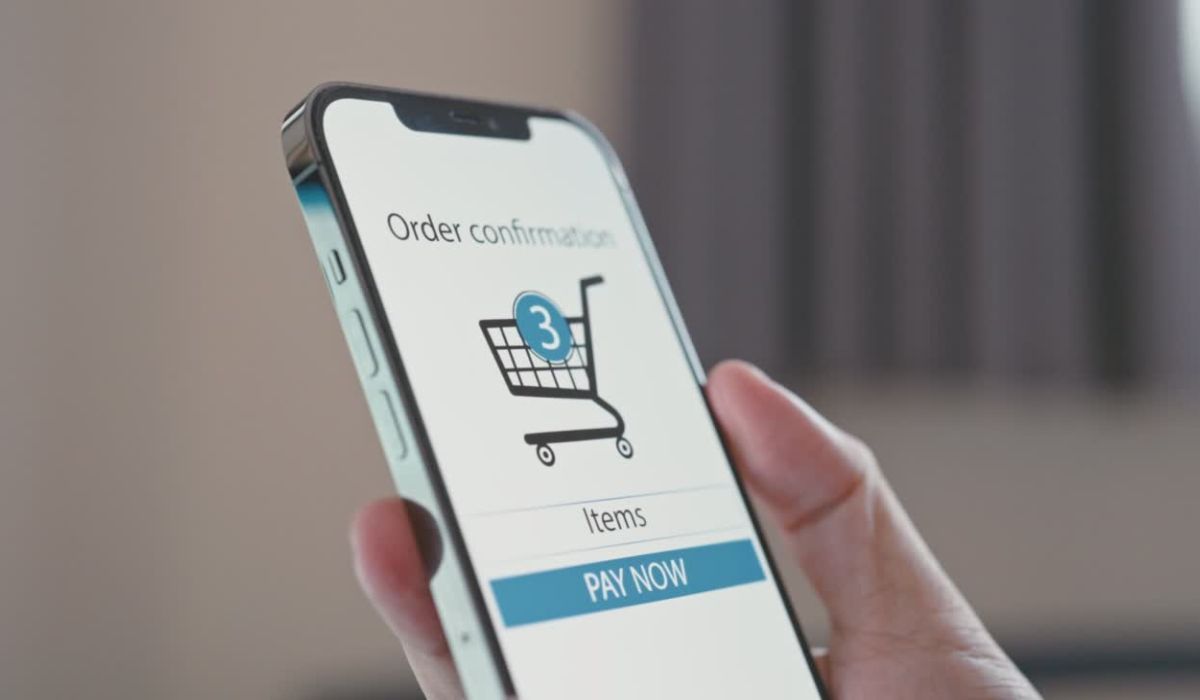
Credit cards: the old reliable backup
Credit cards are still one of the safest ways to pay online. Why? Because you can usually dispute a charge. This is called a chargeback.
If a seller takes your money and sends nothing, your card issuer may help. If the item arrives broken or wildly wrong, you may also have options.
Credit cards can also limit your loss from fraud. Debit cards are riskier because the money leaves your bank account fast. Getting it back can feel like pulling a sofa through a tiny door.
Best for: bigger purchases, new stores, electronics, travel, and anything that would hurt to lose.
Weak spot: your card number may be stored by the shop, unless you use a wallet like Apple Pay or PayPal.
Quick scorecard: PayPal vs Apple Pay vs credit cards
- Best privacy: Apple Pay
- Best for seller disputes: PayPal or credit card
- Best for large purchases: credit card
- Fastest checkout: Apple Pay
- Best when the site looks risky: none of them. Leave.
That last one matters. A safe payment tool does not turn a shady shop into a safe one.
Red flags that should stop you
If you see these, close the tab:
- Only gift cards, crypto, wire transfer, or bank transfer. Huge warning sign.
- No return address. Mystery sellers are bad news.
- Stolen product photos. Search the image if it feels familiar.
- Crazy pressure. “Only 2 left!” “Sale ends in 4 minutes!” Please. Calm down, fake timer.
- Bad spelling everywhere. One typo is human. Fifty is a circus.
- No social proof outside the website. A real brand leaves tracks.

My simple payment rule
Use this easy rule:
- Trusted store? Apple Pay is great.
- Small seller or marketplace? PayPal is smart.
- Big purchase? Credit card wins.
- Weird site? Buy nothing.
Before you pay, take 60 seconds. Check the domain. Search reviews. Read the return page. Pick the payment method that gives you the most help if things go sideways.
The safest checkout is the one you are willing to walk away from. If the deal smells funny, it probably is. Your cart can wait. Your money should stay with you.